Noirs et Blancs, series
Illustrations by Karl Kugel, for the novel Noirs et Blanc, esquisses de Bourbon (Blacks and Whites, sketches of Bourbon island), by Gustave Oelsner-Monmerqué (1814-1854).
This year, the Villèle historical museum is adding to its collections 25 original prints by Karl Kugel, from the work he produced for the illustrated French edition of Noirs et Blancs. Esquisses de Bourbon (Black and Whites. Sketches of Bourbon island) (co-edited by the Villèle museum and the University of Reunion in 2017).
A convinced abolitionist and an attentive observer of the Creole society he discovered when staying on Bourbon island from 1842 to 1845, Gustave Oelsner-Monmerqué (1814-1854), a Franco-German journalist, has left us with a novel where the narrative of the fiction intertwines with the reality of a period scarred by the question of slavery. While the narrative depicts the dramatic story of Vénus and Jupiter, their forced exile to Bourbon island from Zanzibar, the novel also paints a realistic description of the Creole society, a few years before abolition in 1848, as well as the geographical context in which it developed.
Karl Kugel accepted to read between the lines of the work to rise to the challenge of creating images representing these two facets of the novel. He presents both historical iconographic documents that he appropriates and interprets and contemporary images having a metaphoric dimension reflecting the artist’s personal development and his vision of Reunion in the context of the Indian Ocean and more particularly its links with the African continent.
Karl Kugel, Série Noirs et Blancs, 2023
25 tirages en digigraphie avec rehaut de couleur
80 x 60 cm
© 2023, Karl Kugel
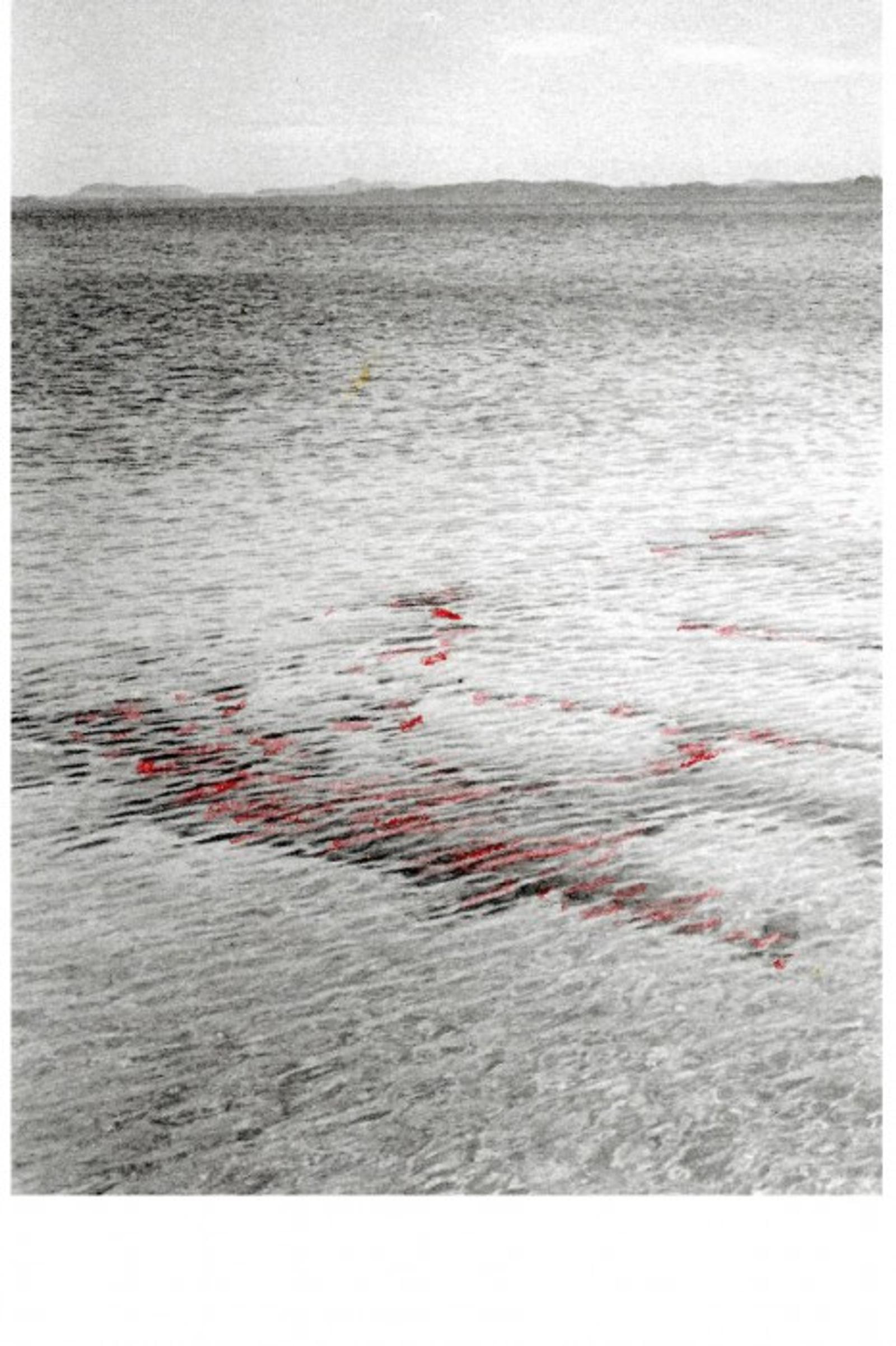
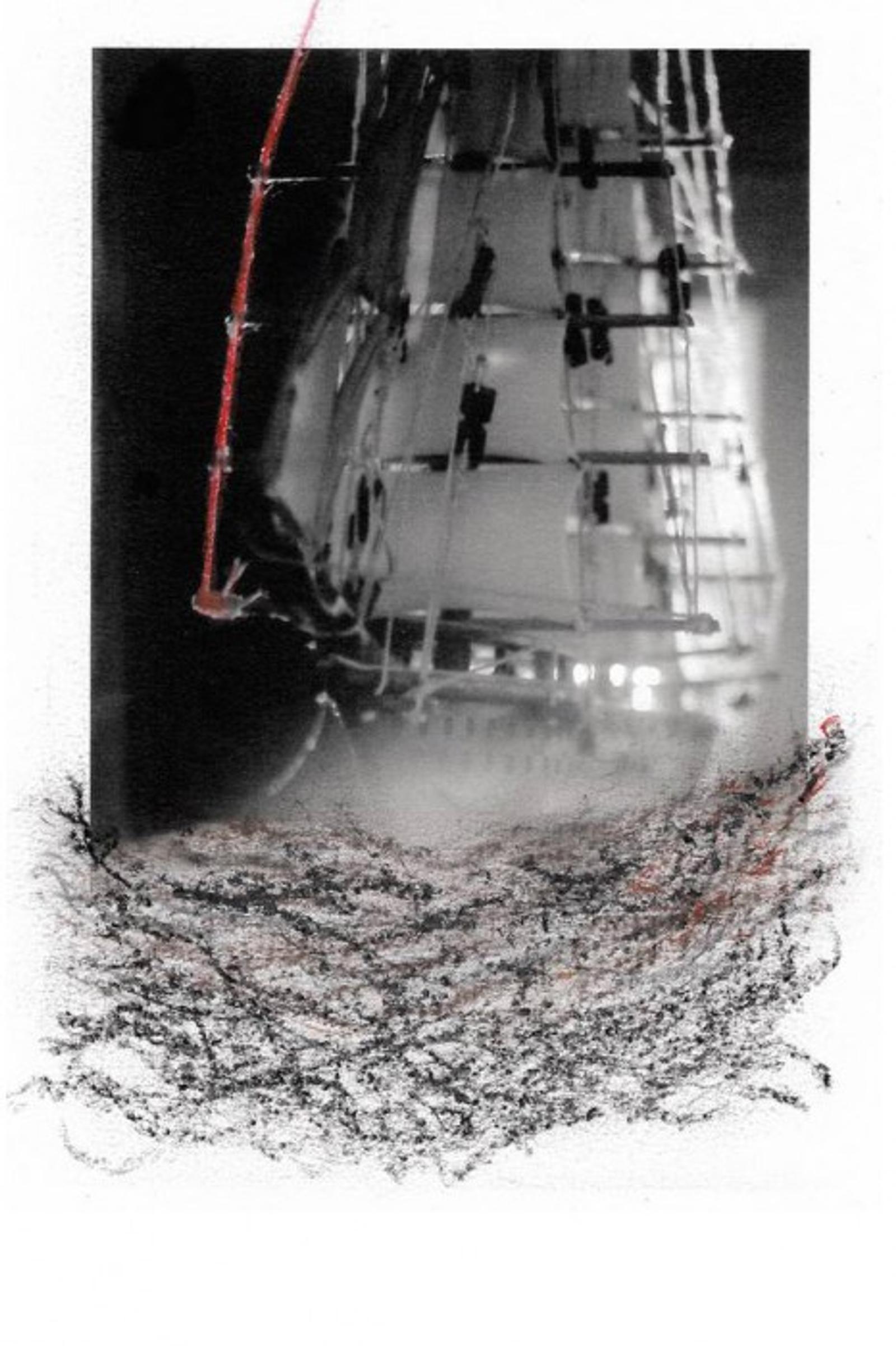
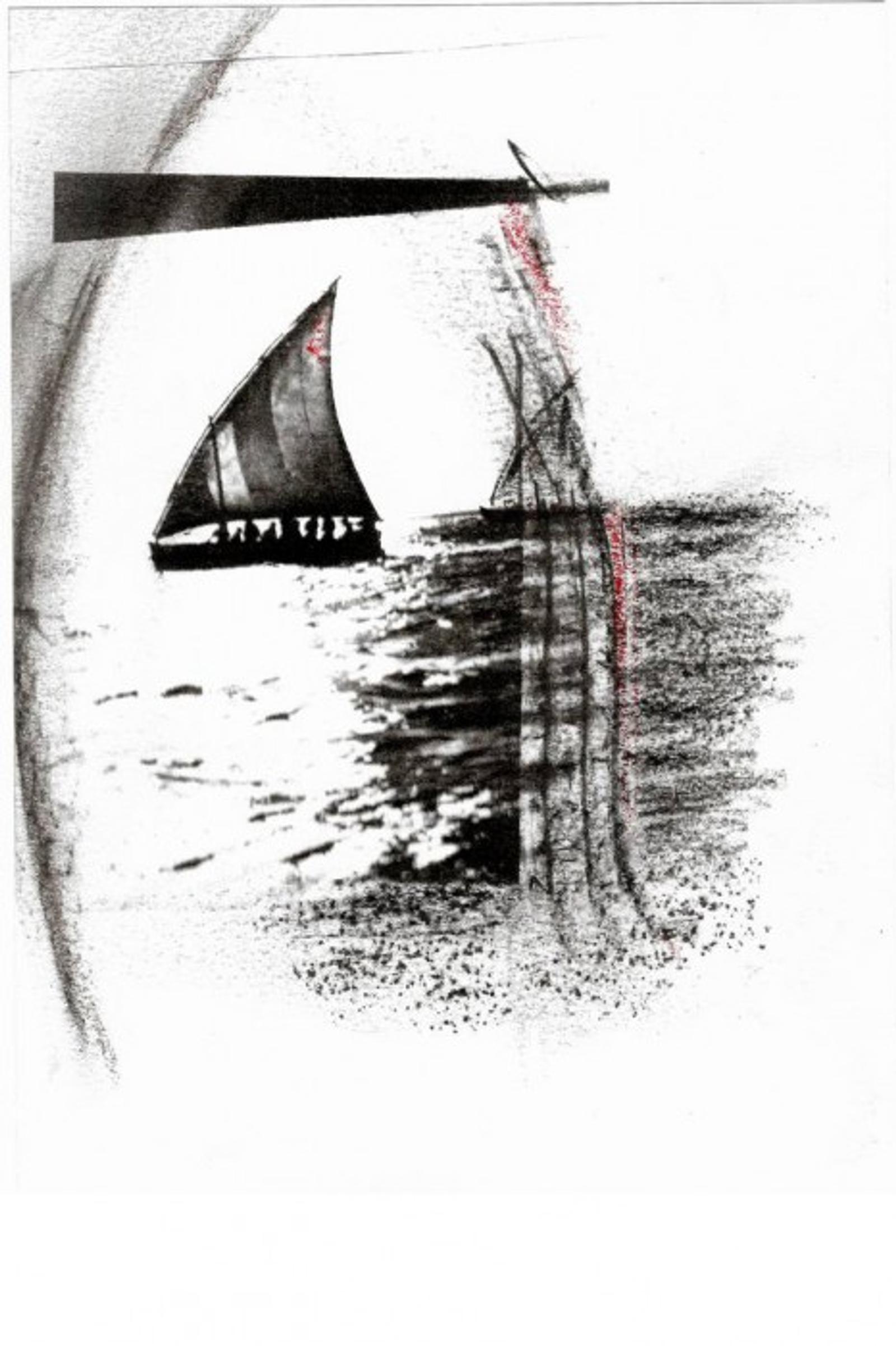
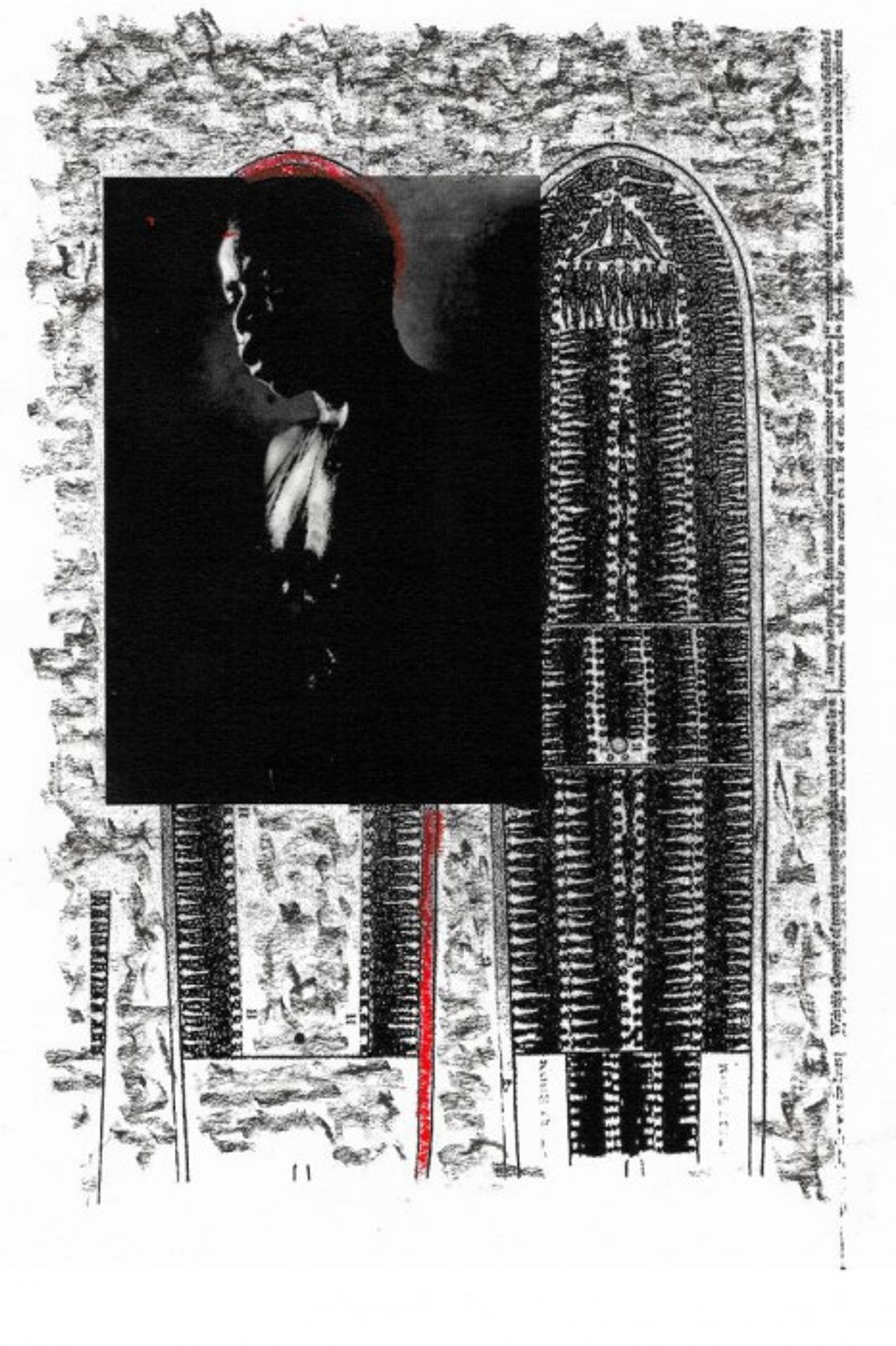
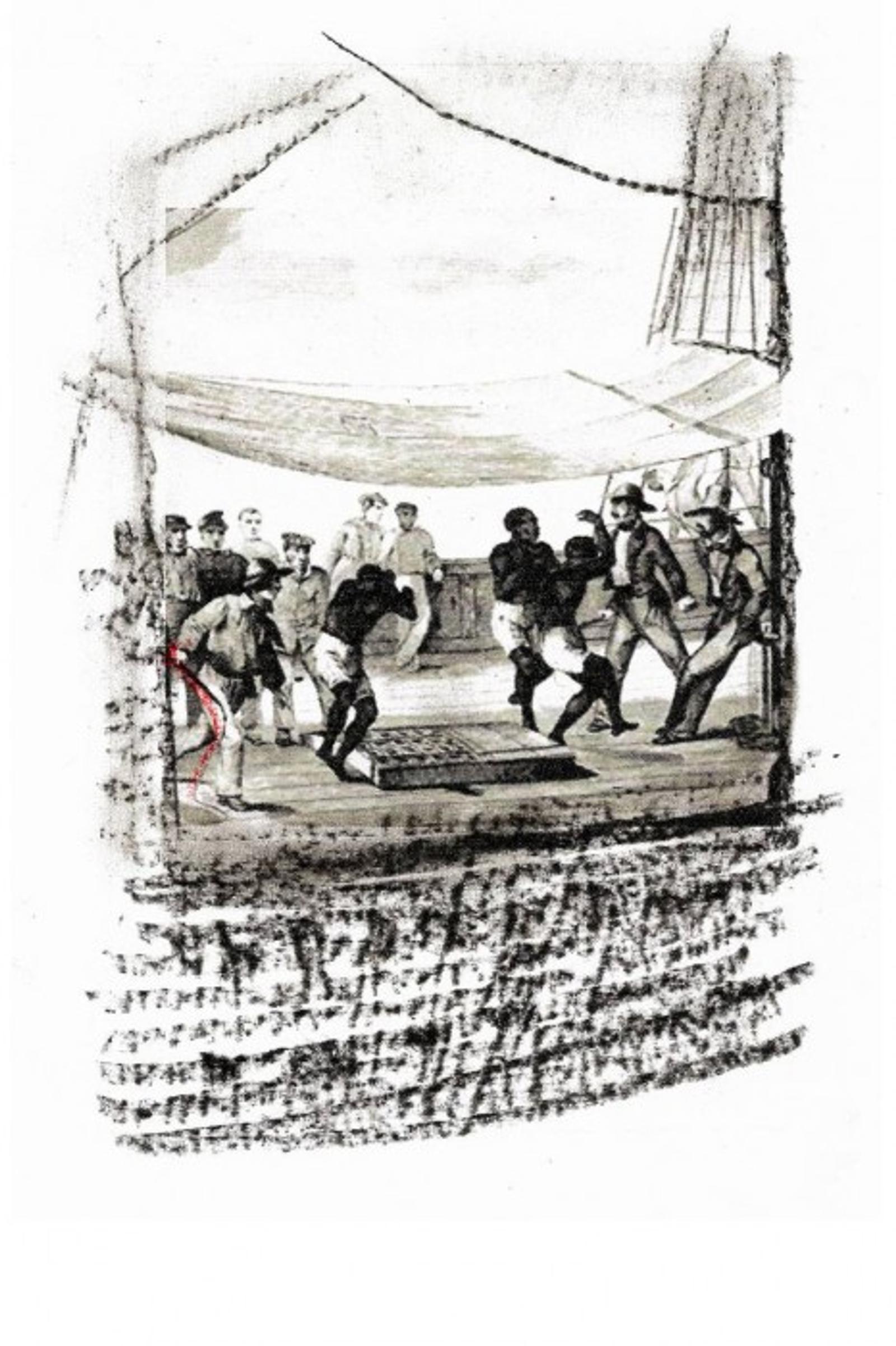
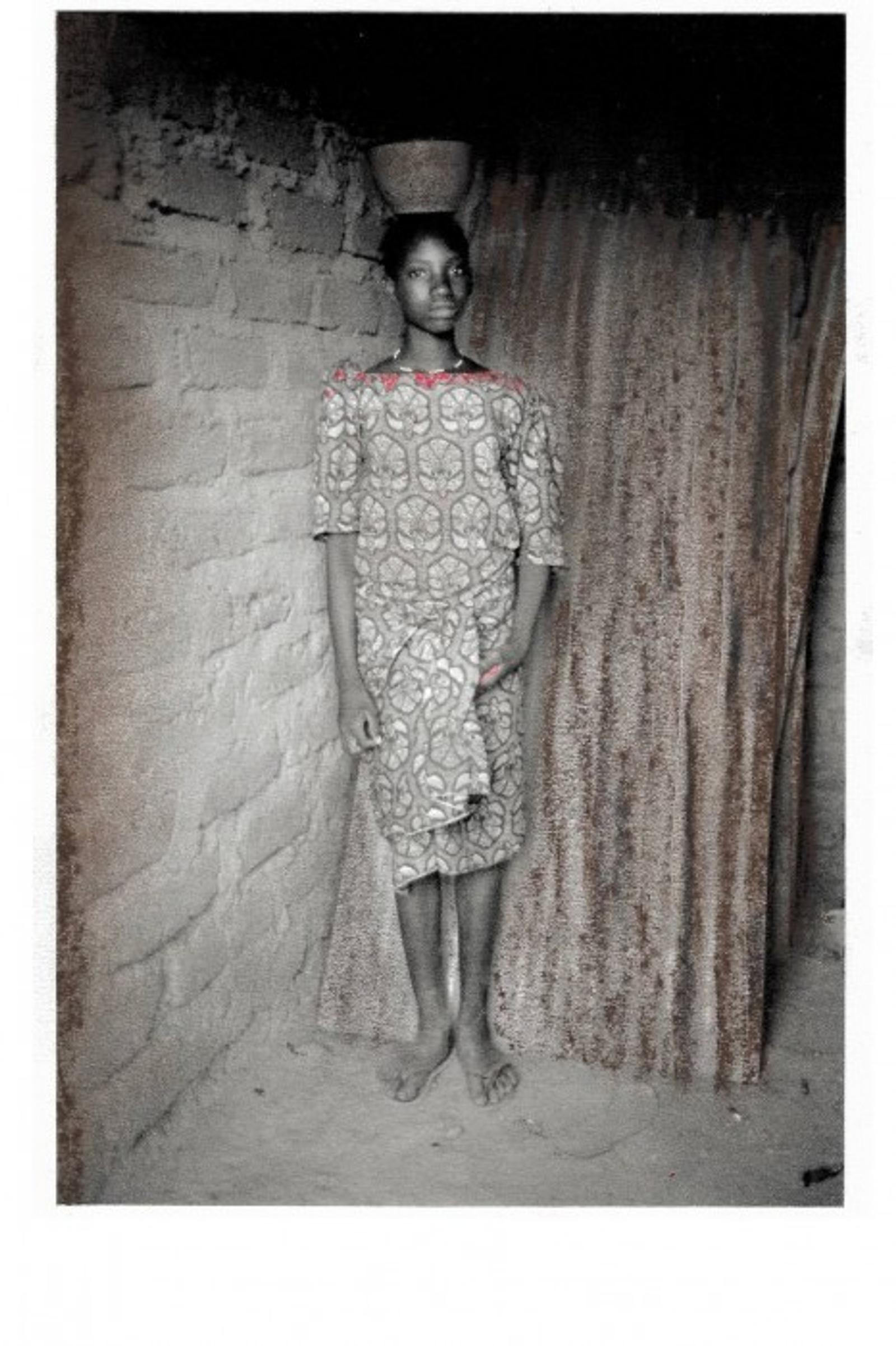
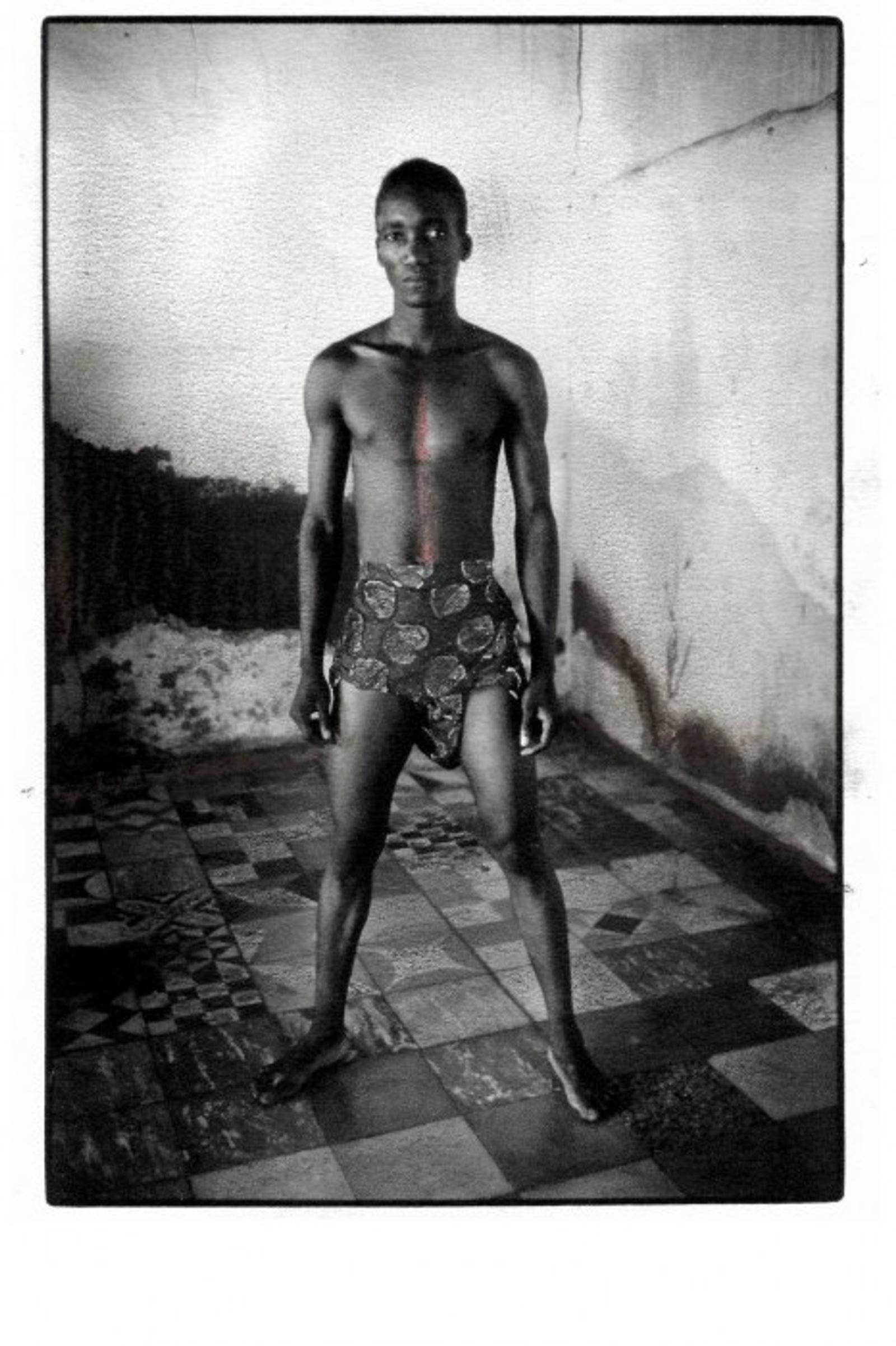
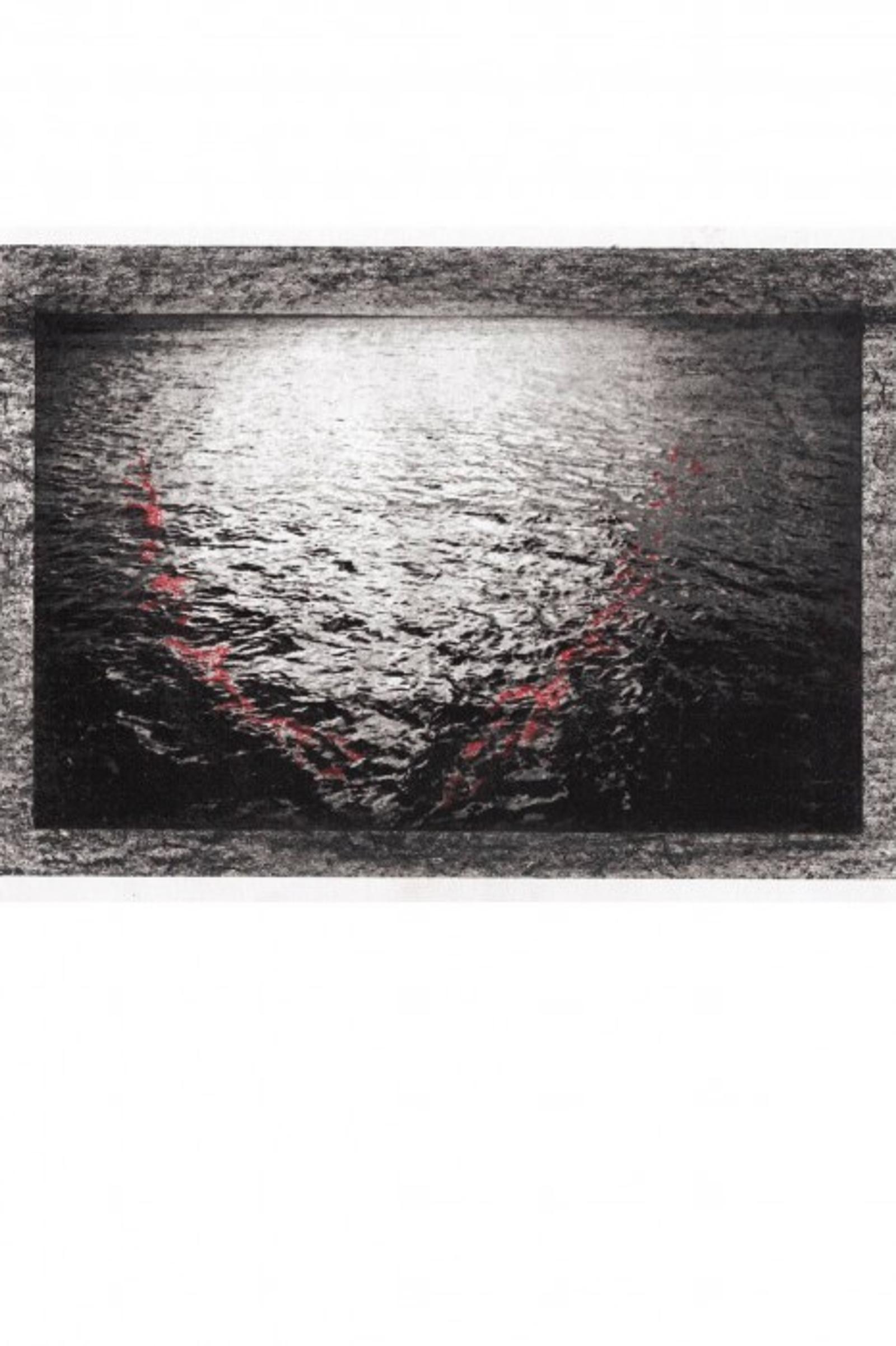
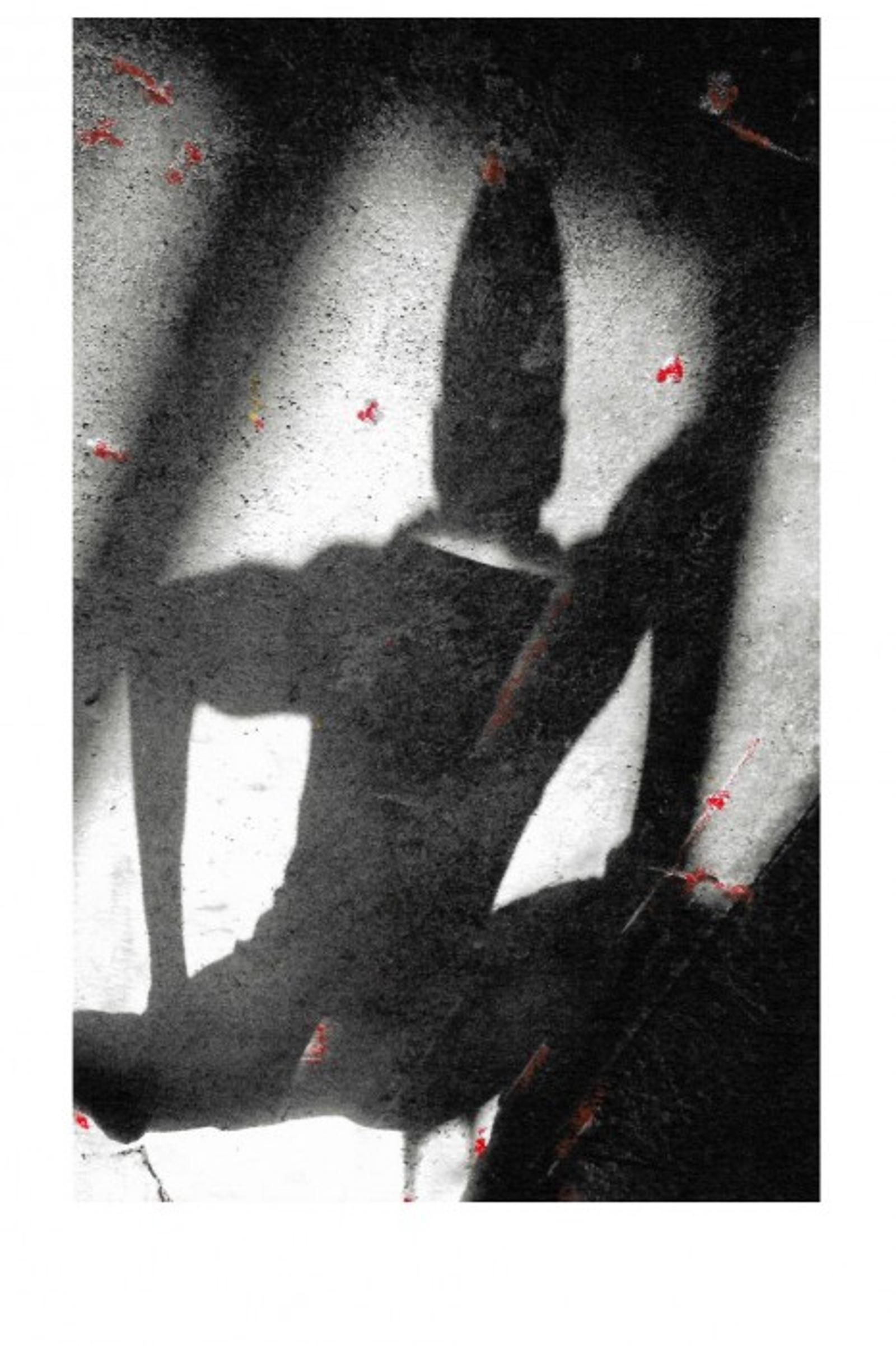
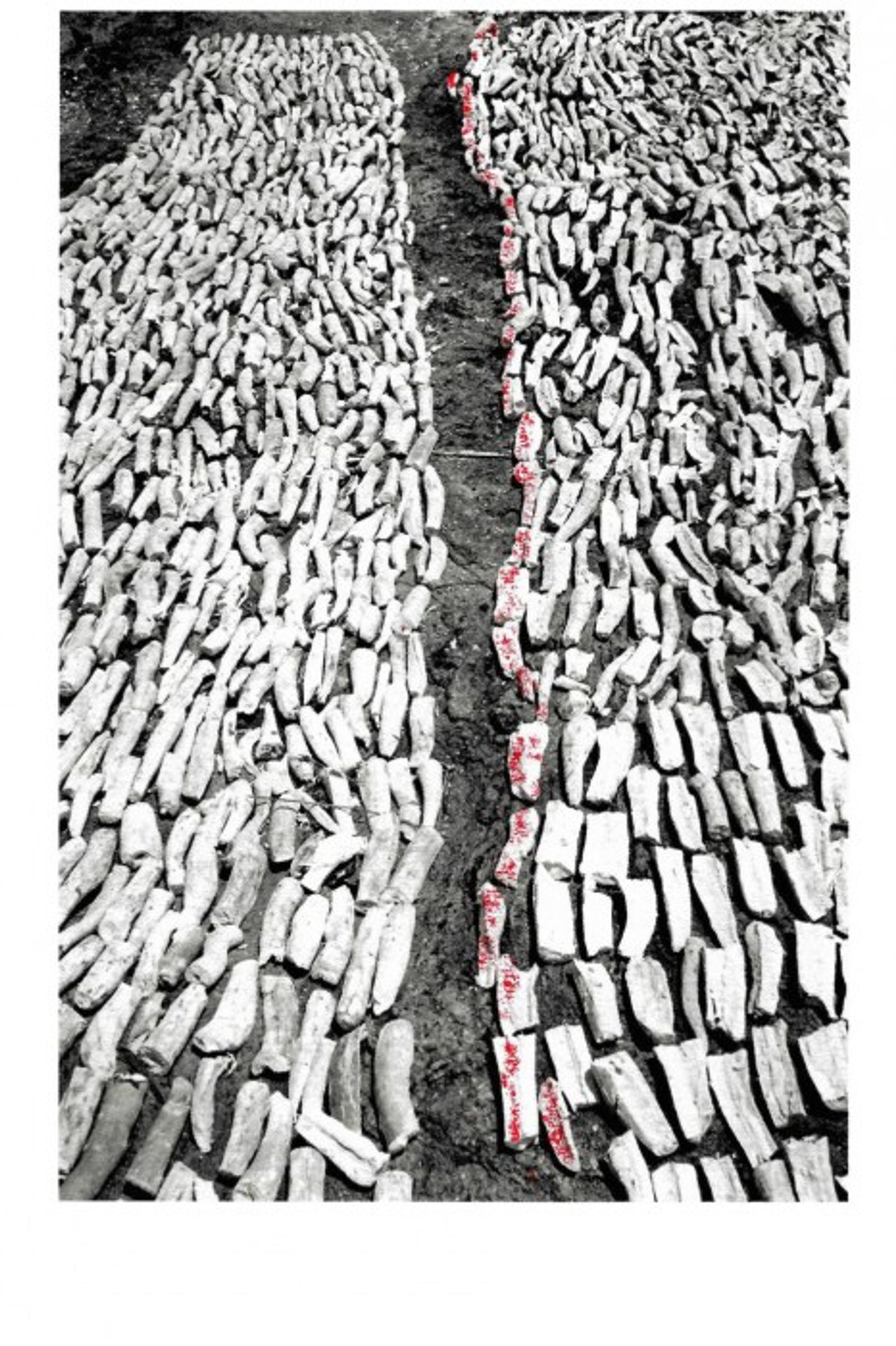
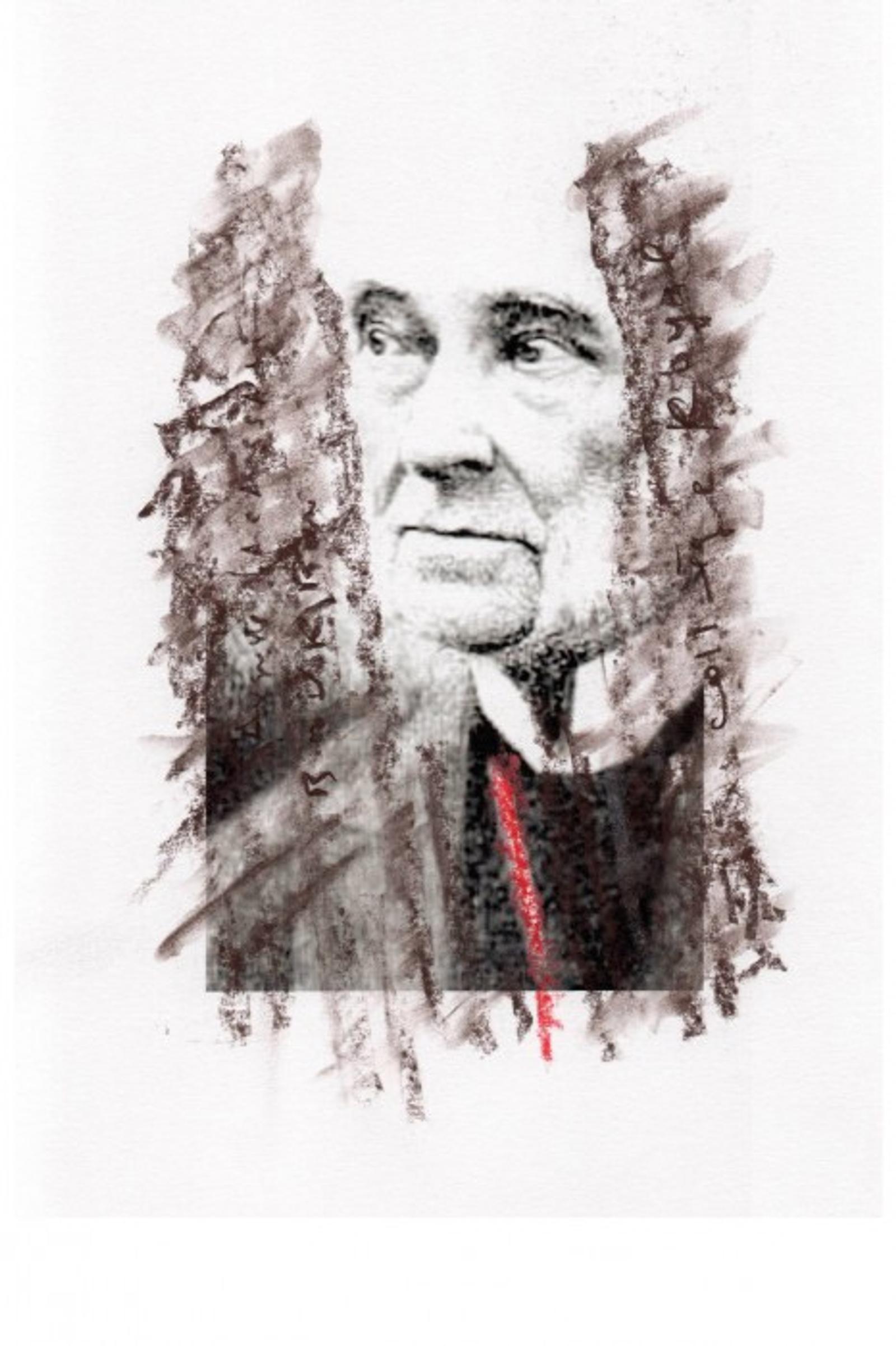
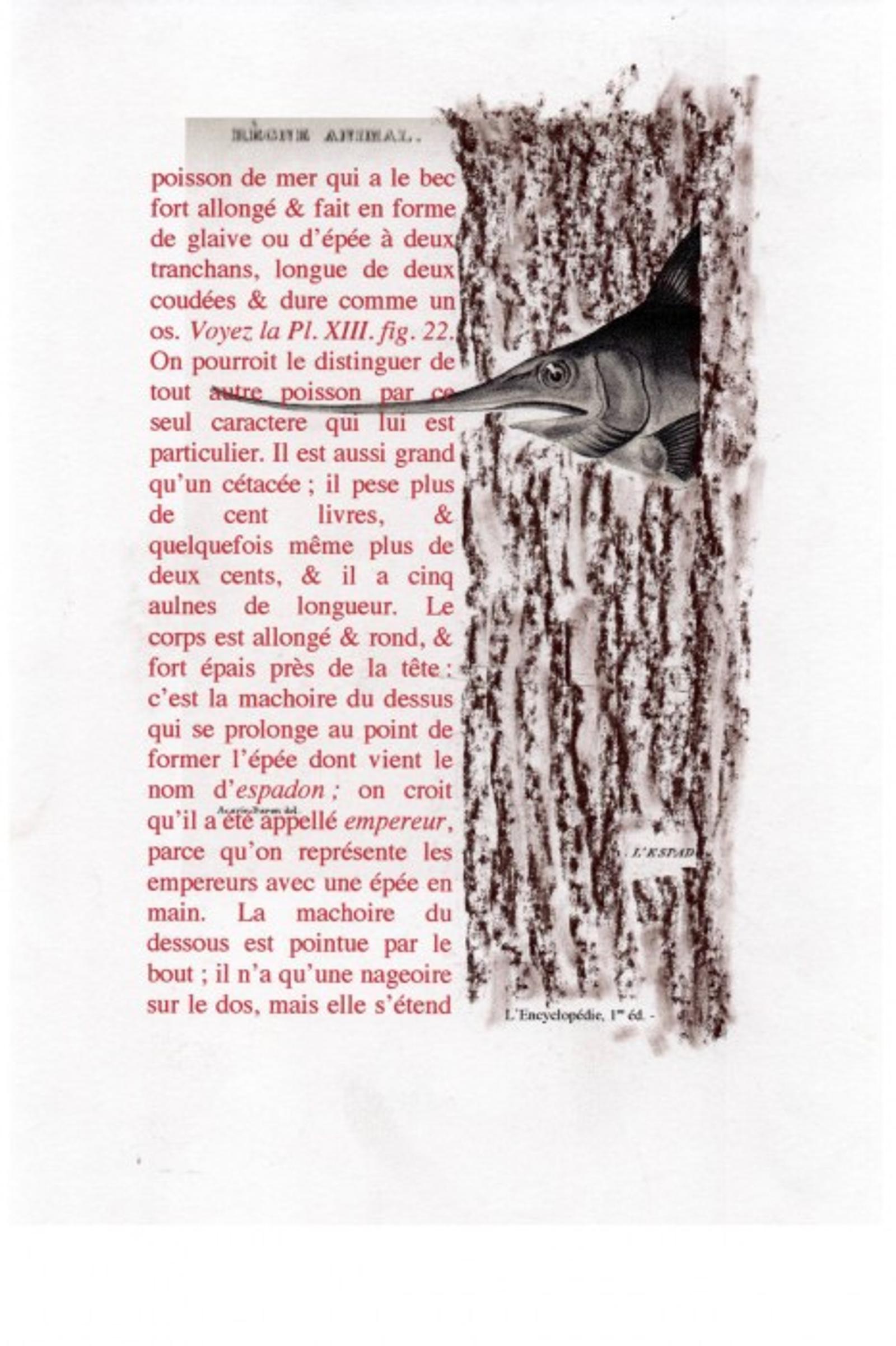
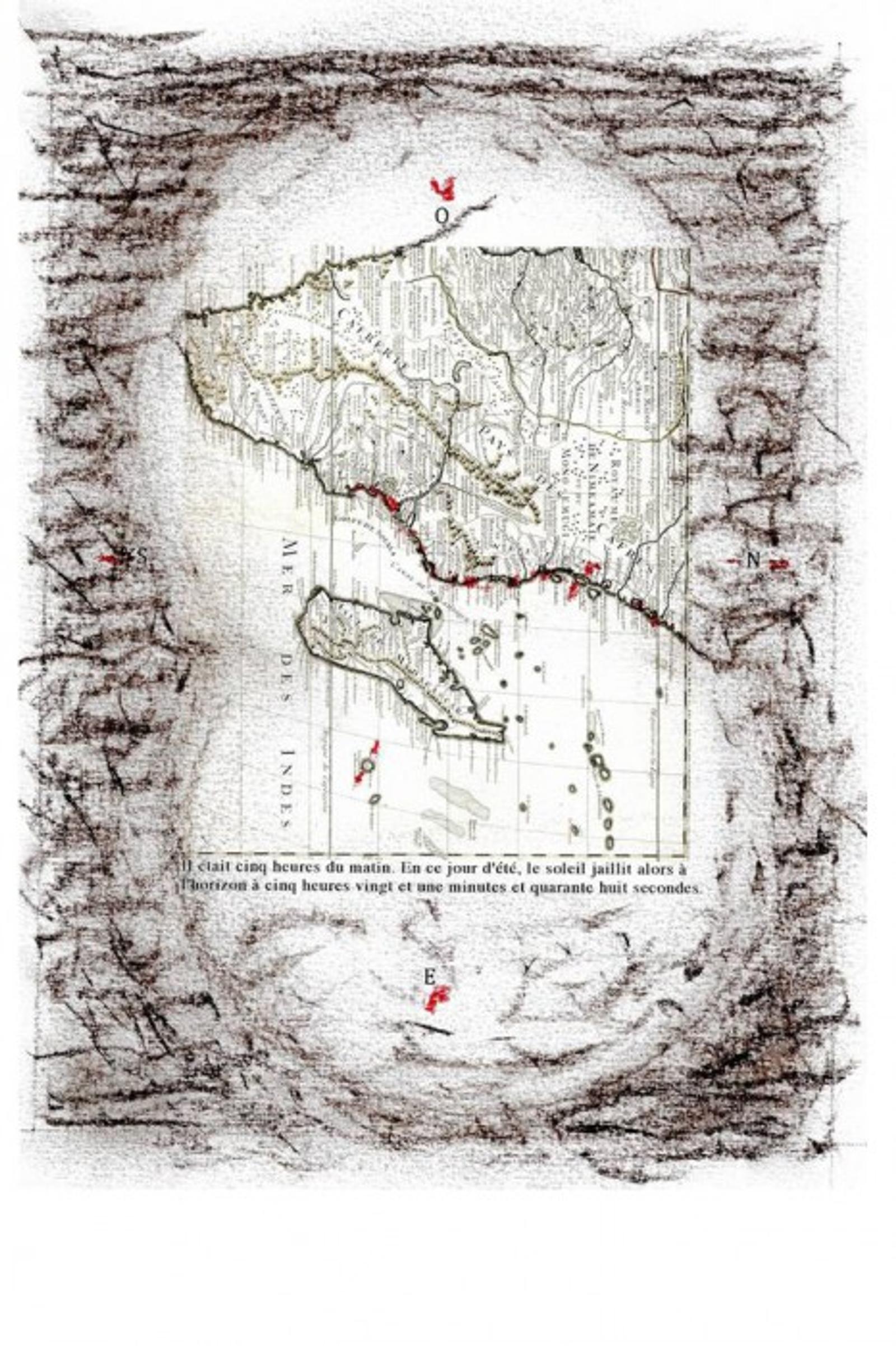
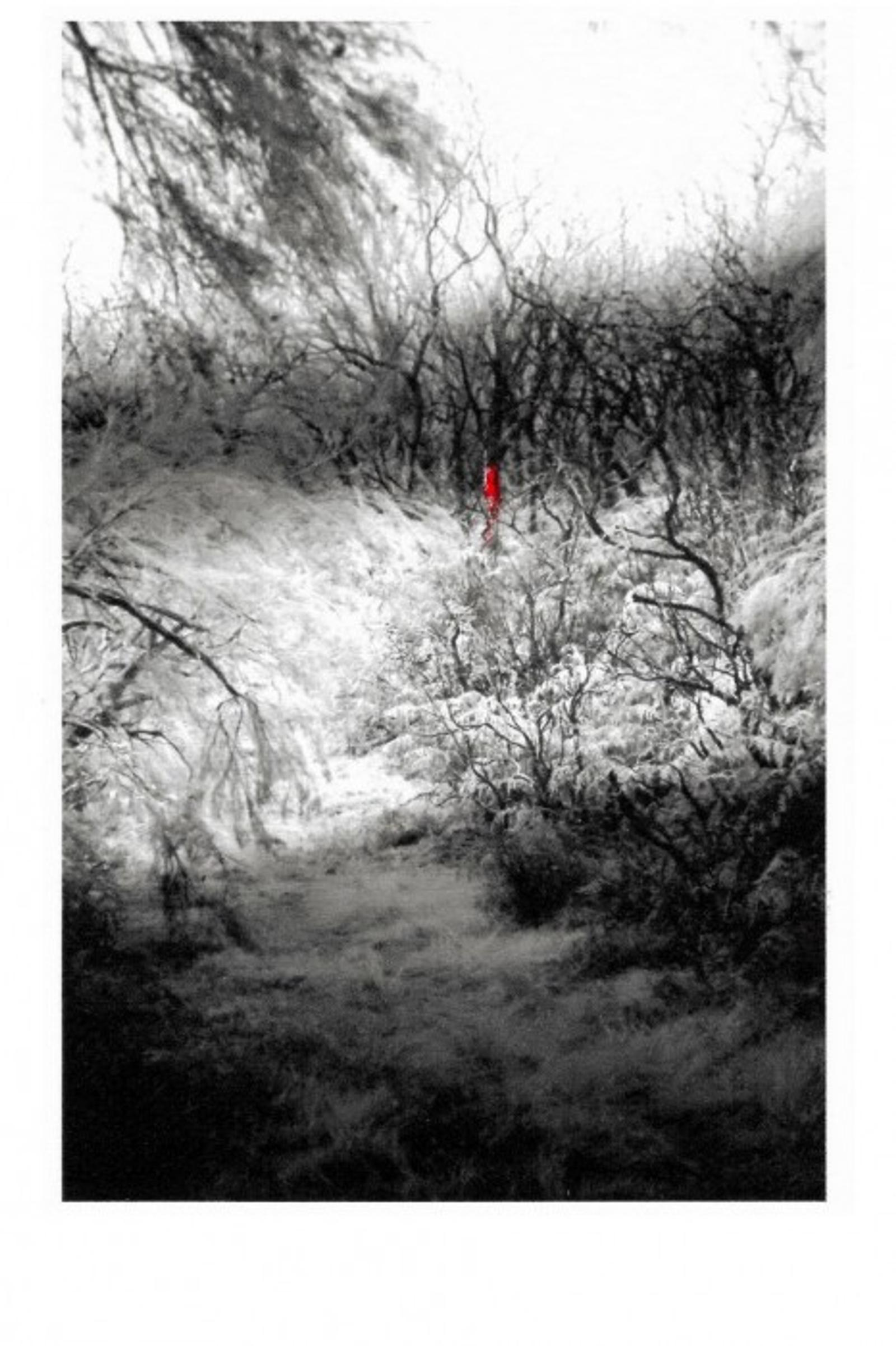
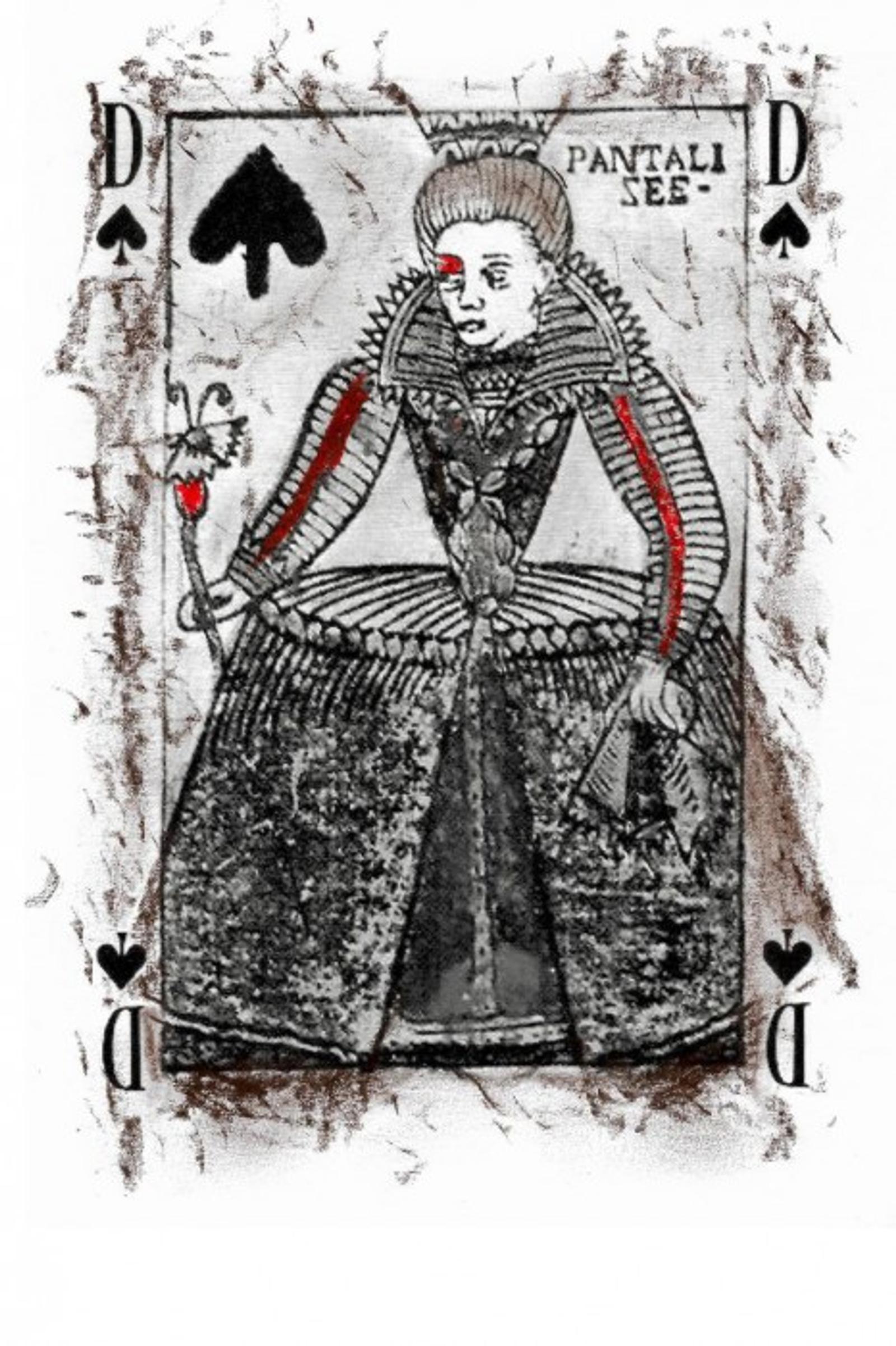
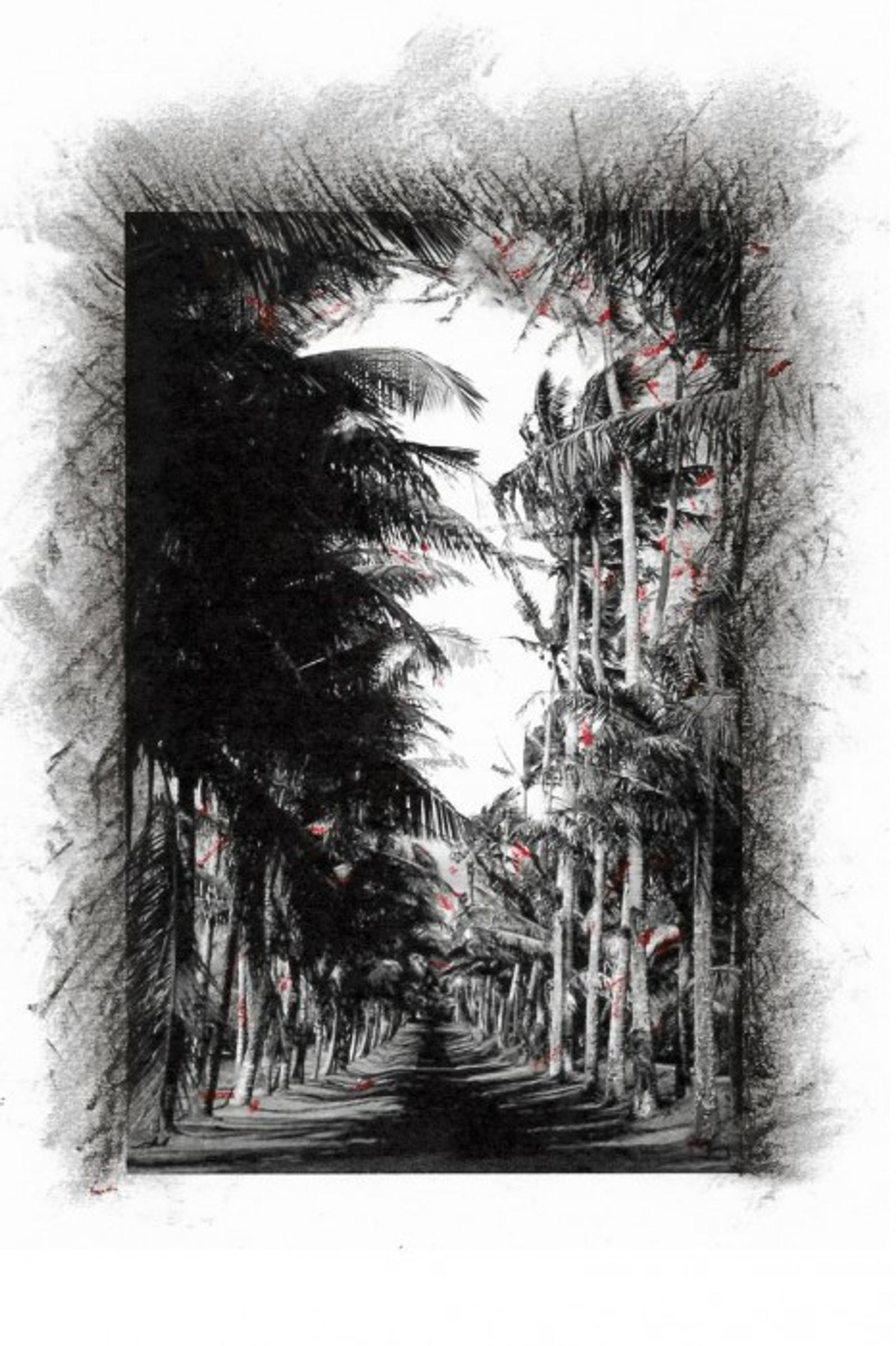
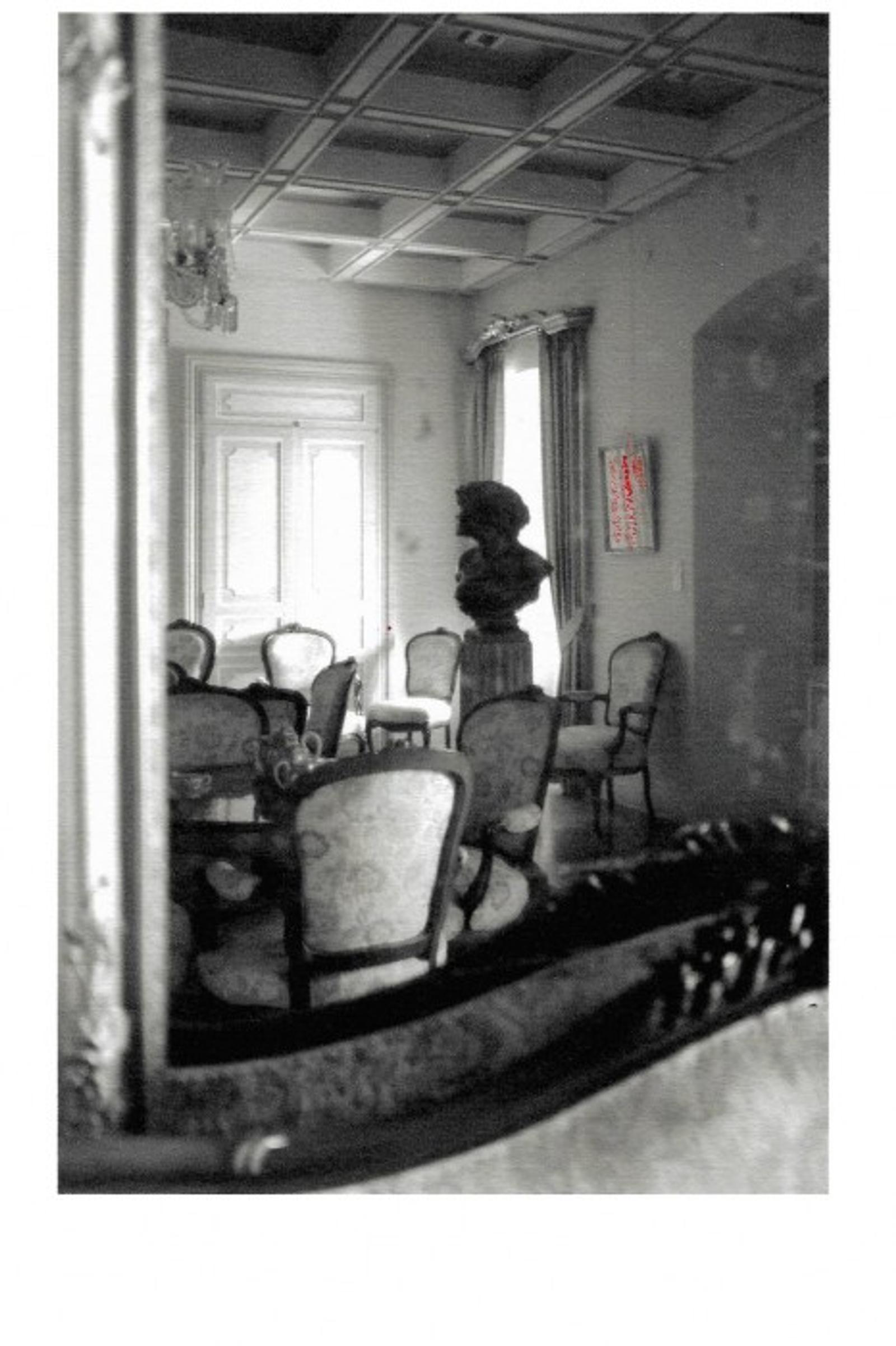
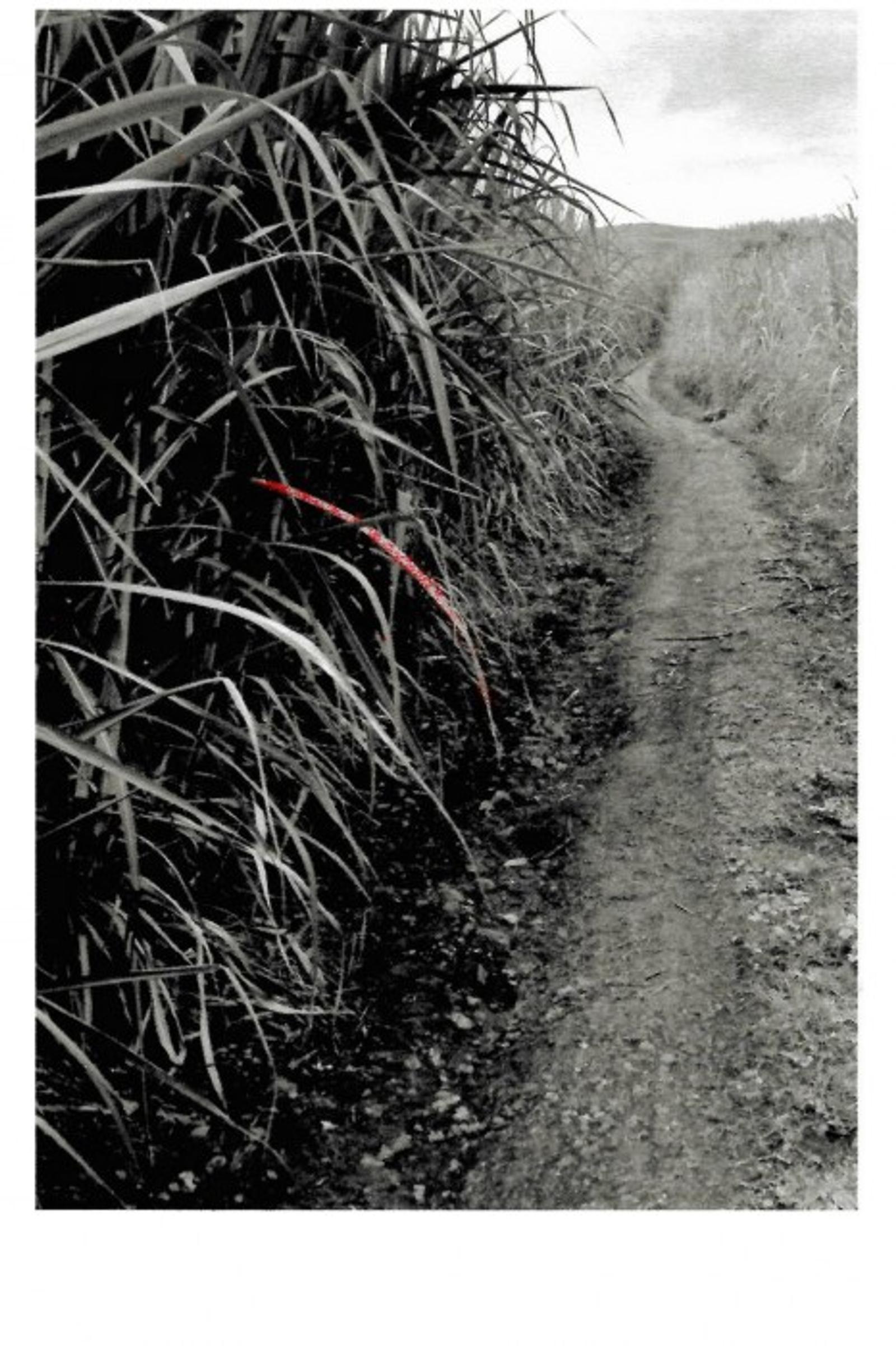
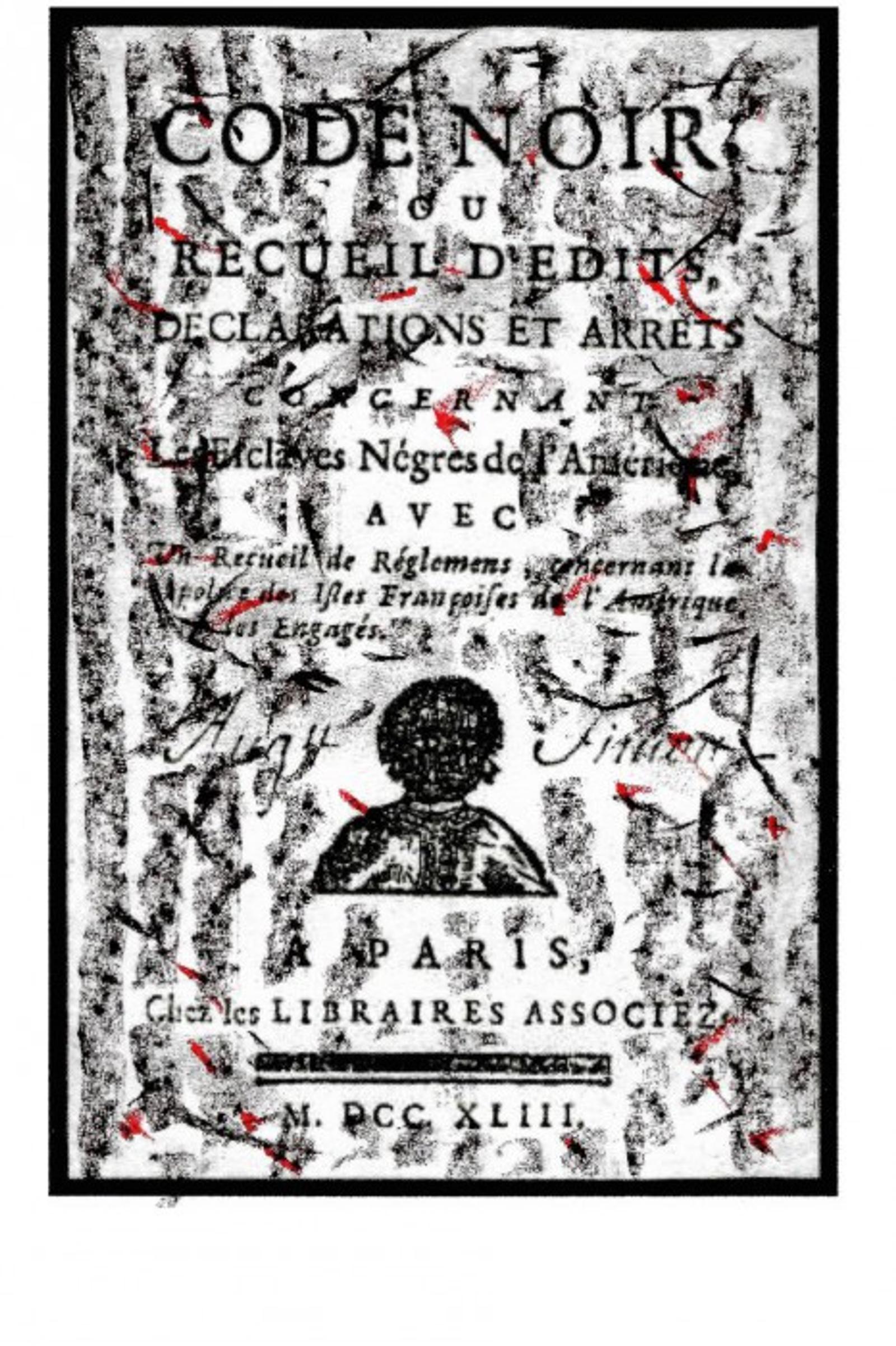
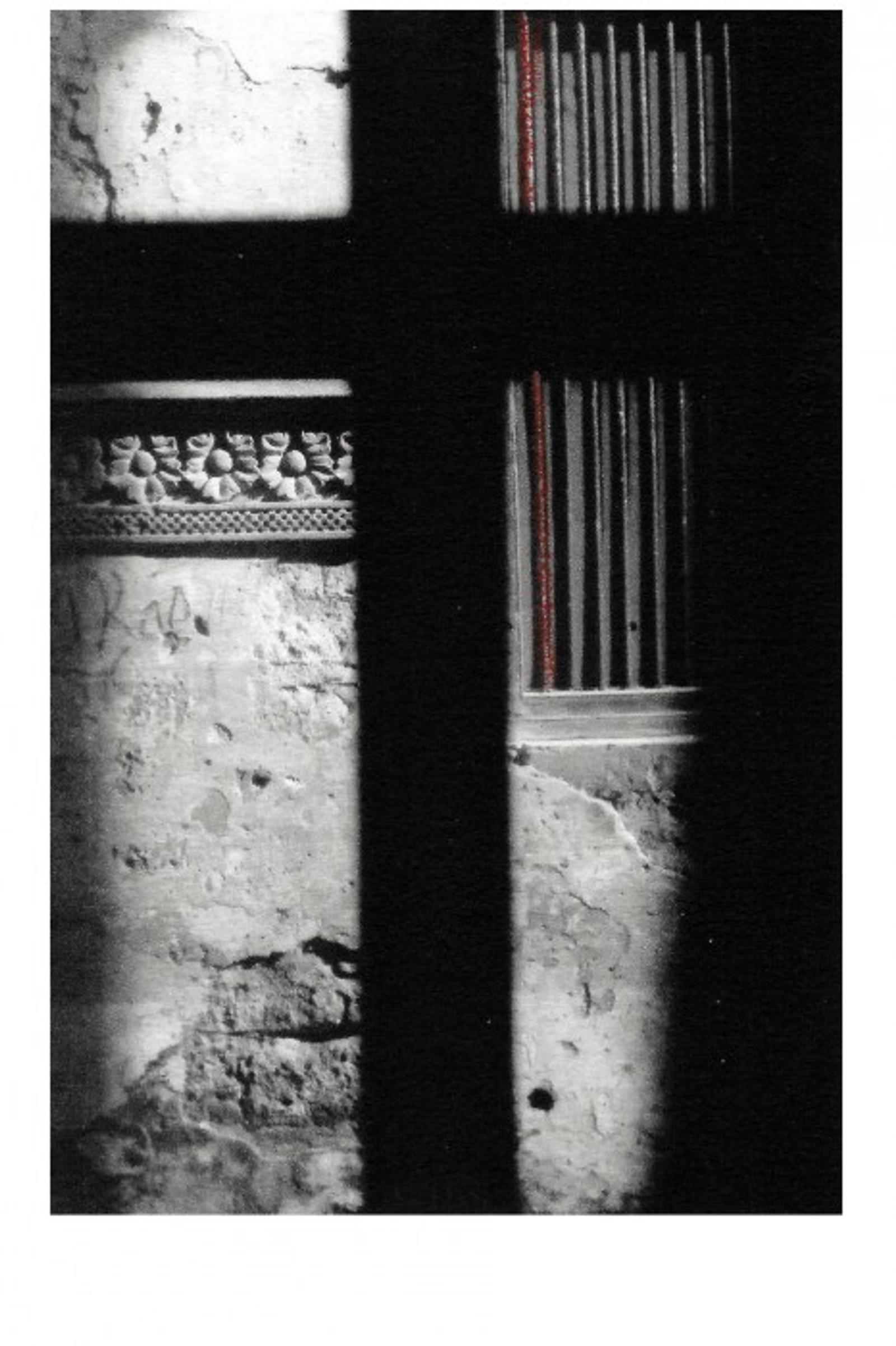
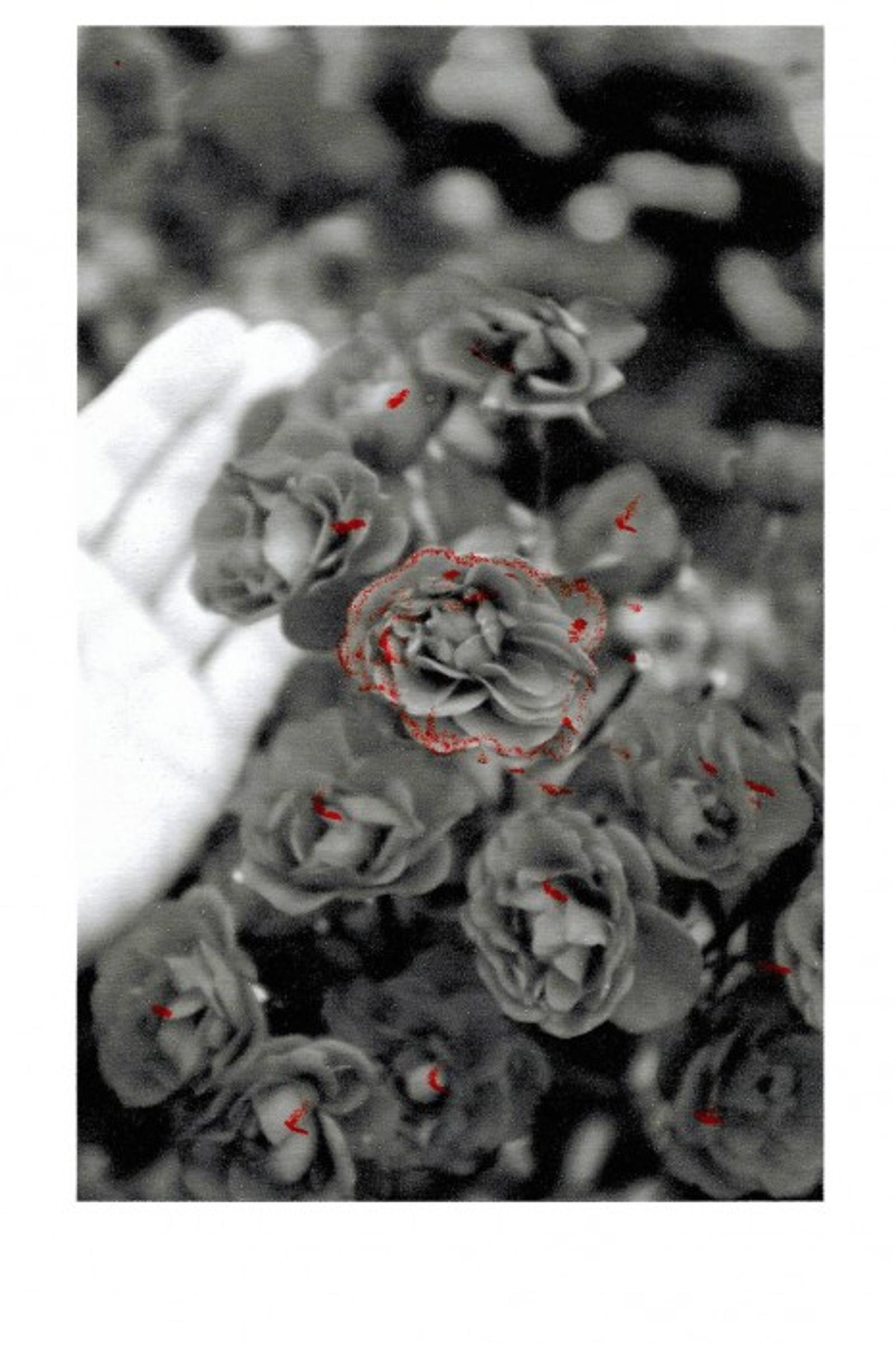
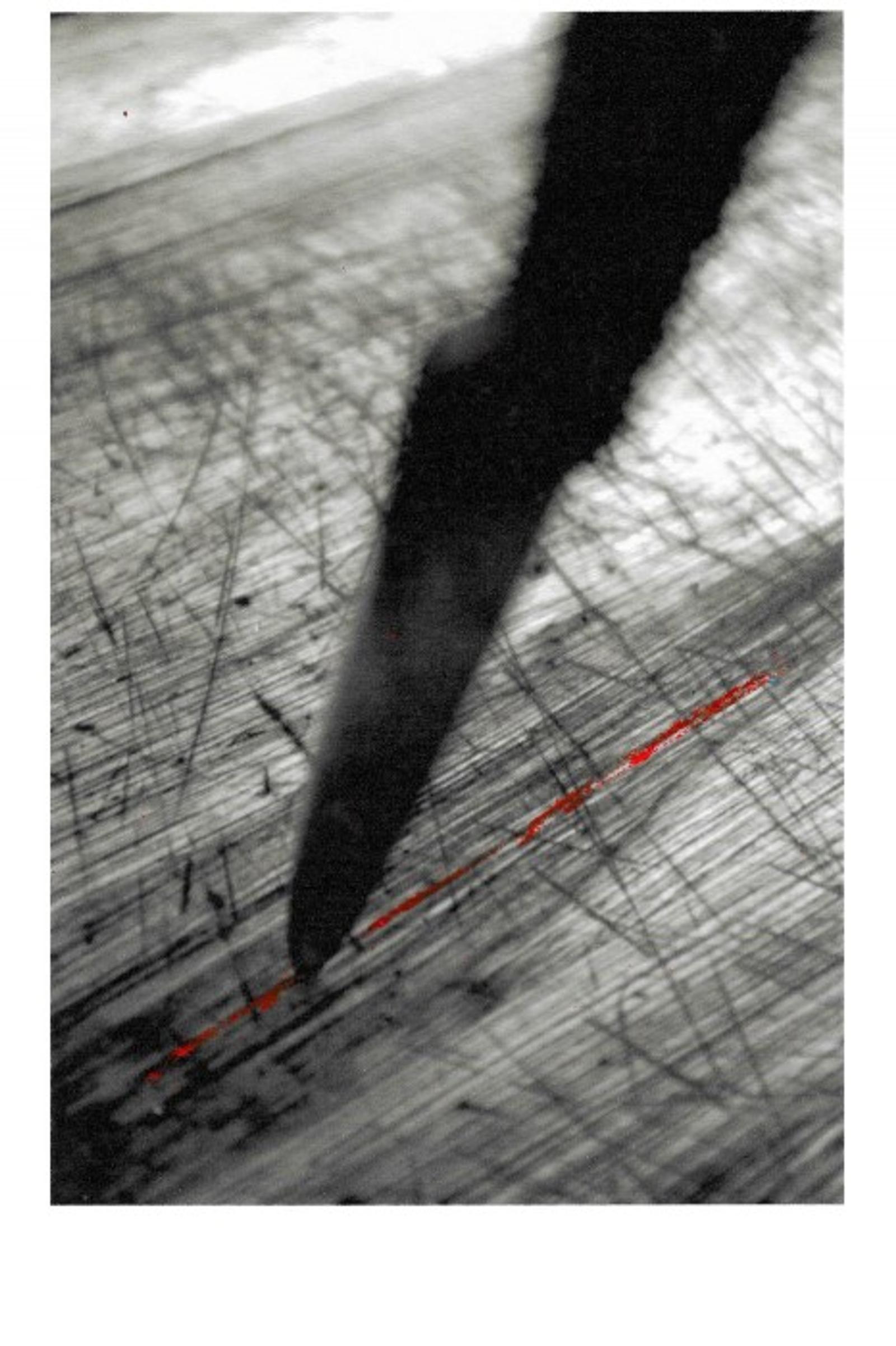
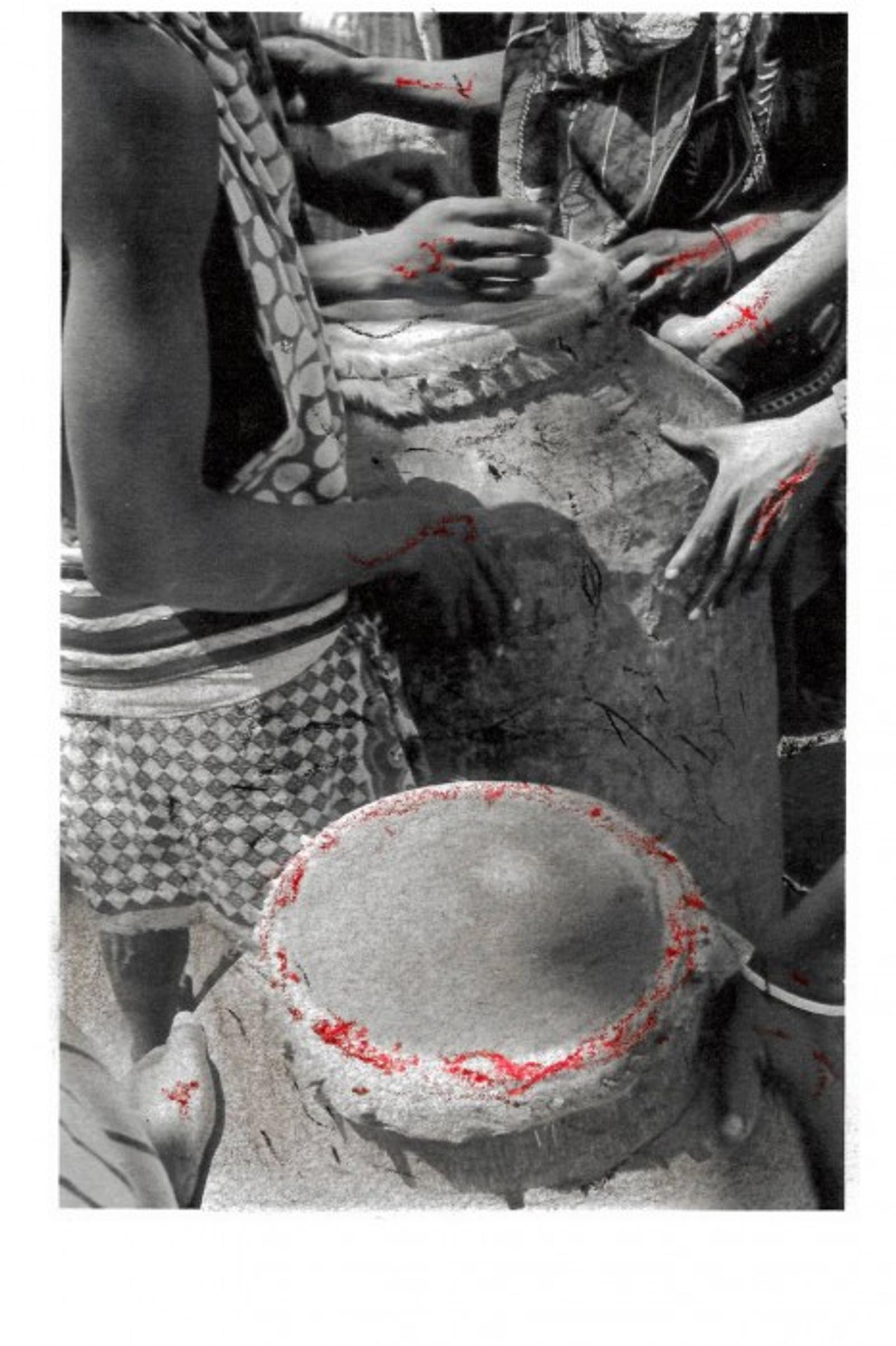
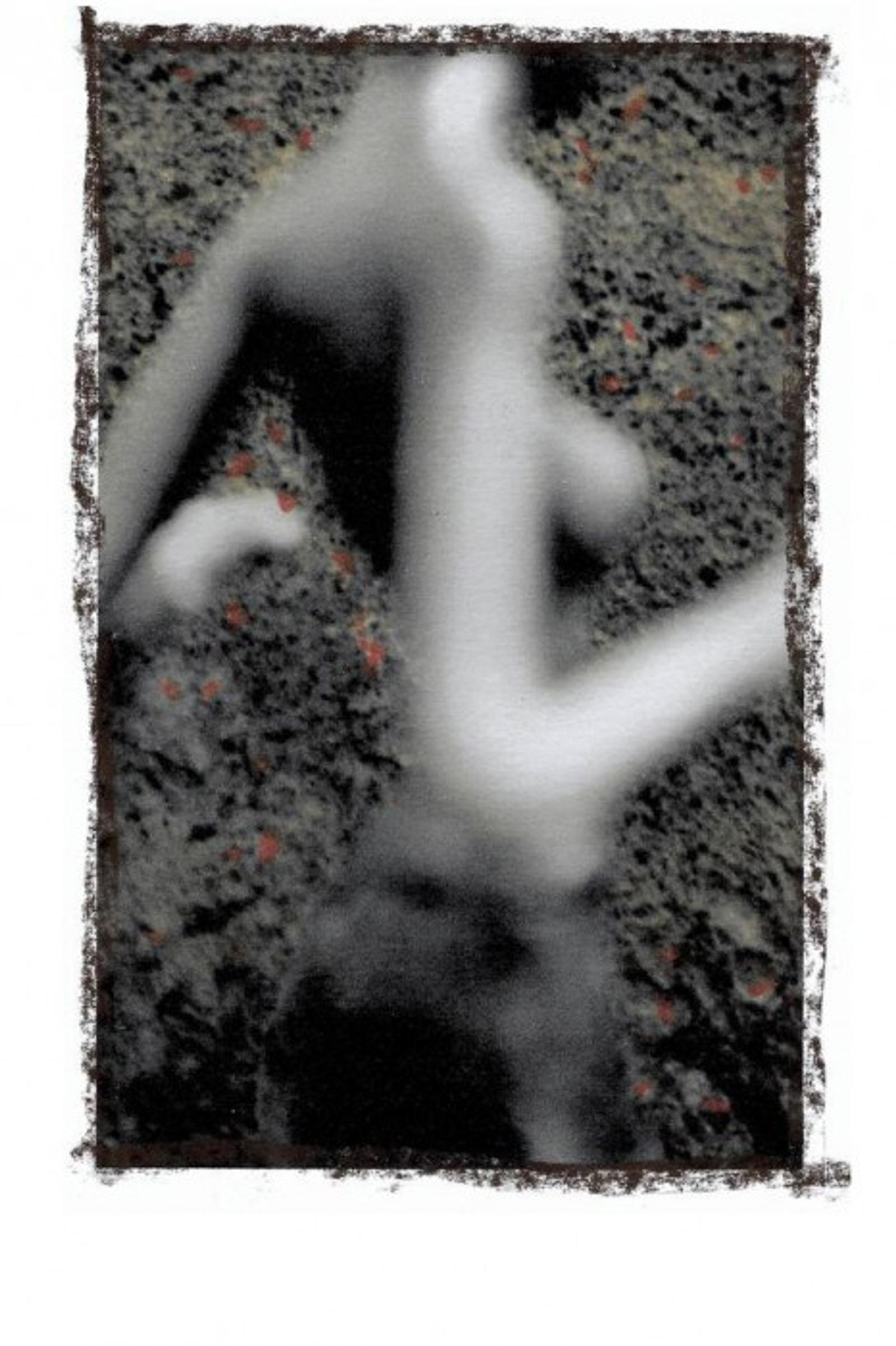
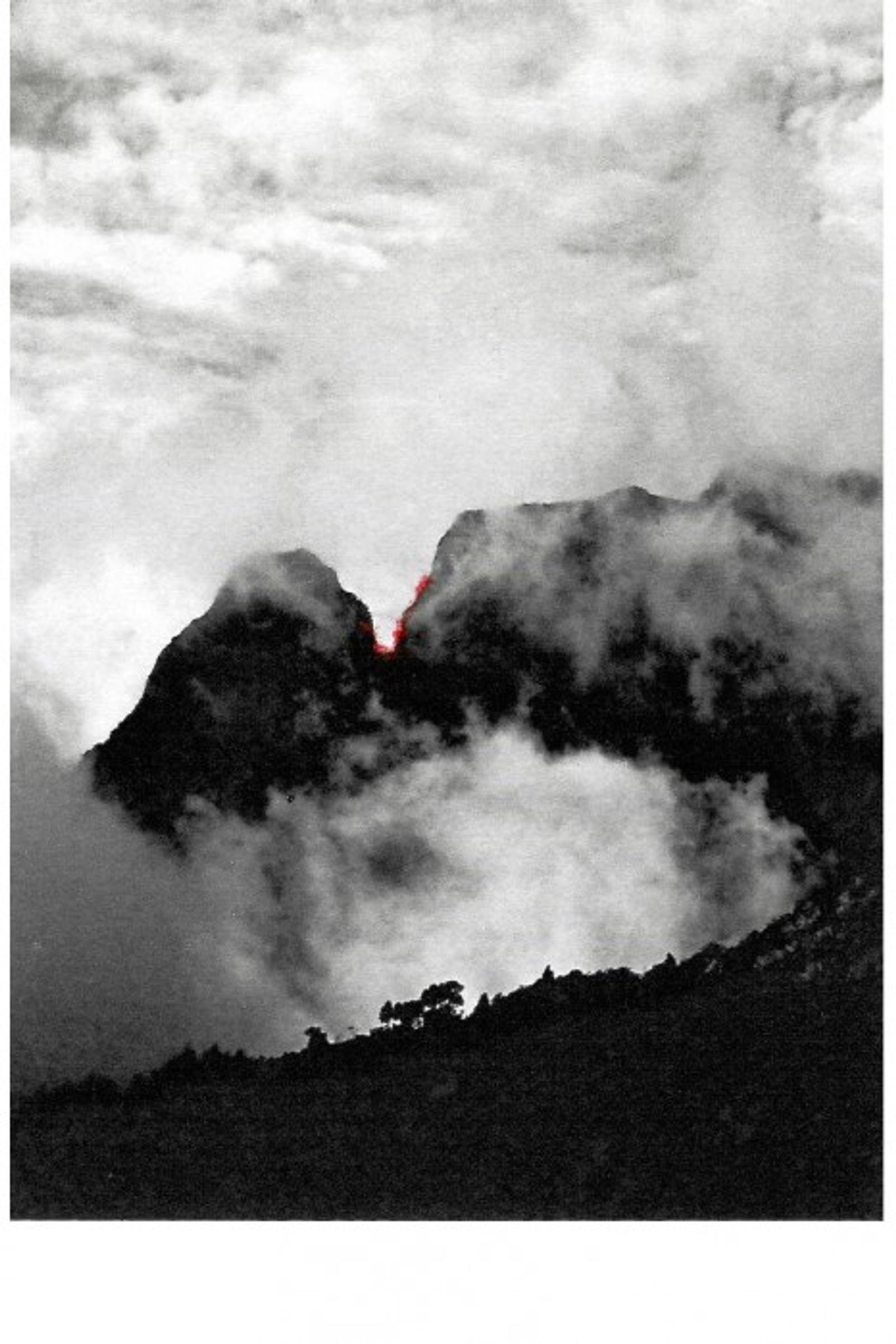
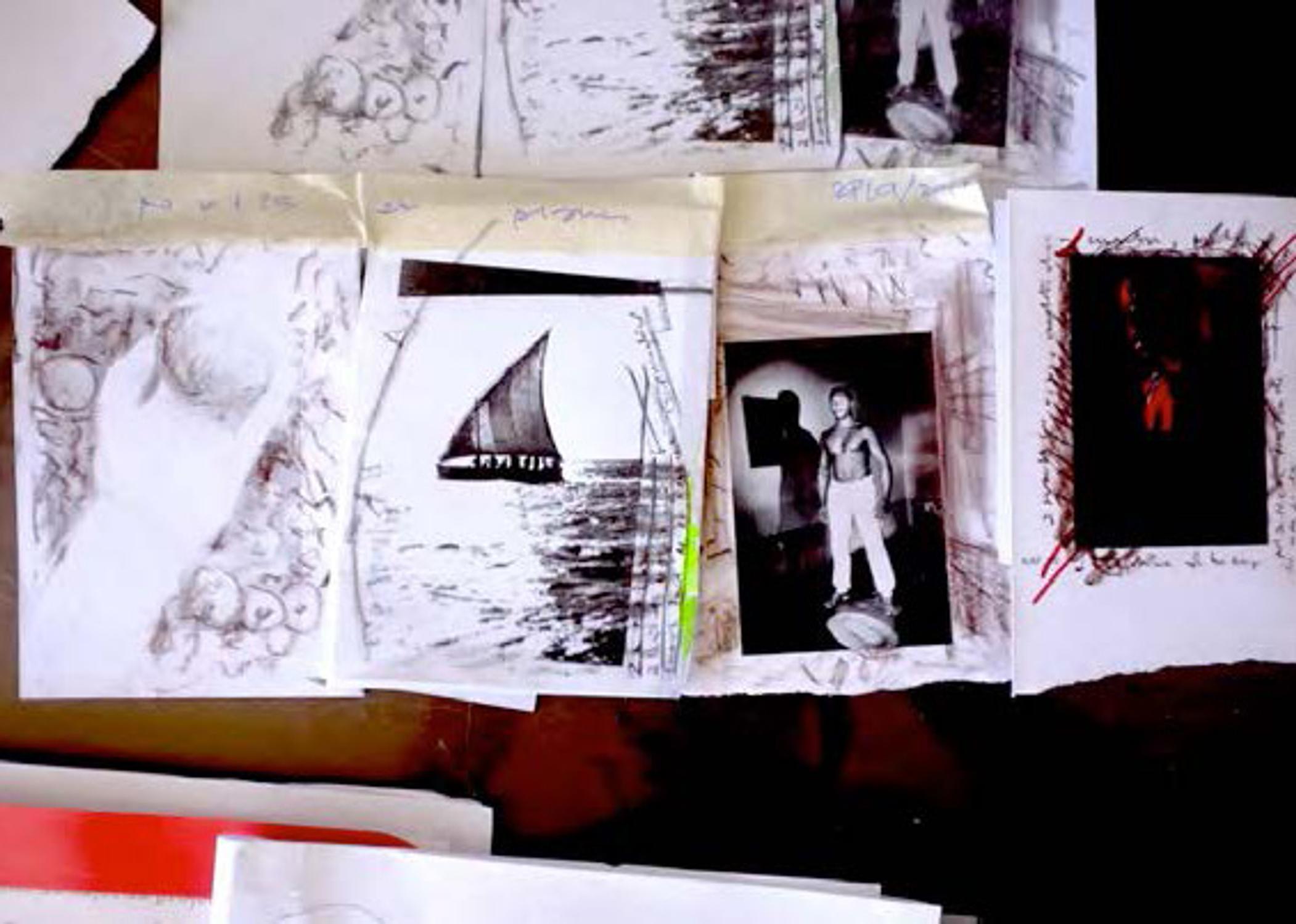
"Oelsner-Monmerqué tells the story of two young Africans – Vénus and Jupiter – sold as slaves and deported to Bourbon island. As a backdrop to this itinerary, with its tragic outcome, the author presents us with an uncompromising vision of the slave trade and social relations on Bourbon in the early 19th century. This precise description - imprinted with the prejudices of the period - can be compared to the work of an anthropologist shedding light on the logic of the different layers of a social space: the economy of the territory, the psychology of the actors, the spiritual and the religious, as well as the geography of the space concerned.
The track I have chosen to follow is linked to my original profession, that of photographer, and to what seems to me the most important specific characteristic of this medium: a ‘false transparency’ where the ‘documentary function’ and the ‘fictional dimension’ are intertwined.
I have therefore worked on images created in Reunion as well as on the African continent (notably in Mozambique), new photographs created for the work, as well as reproductions of historical documents.
In order to move away from the illustration document, without forfeiting the realities depicted, the photographs have been highlighted using soft crayon, charcoal and graphite. Each print is marked with dots and lines of red pastel, as though announcing the upcoming tragedy, a reference to the red cloth evoked by the Mozambican historian in his work The slave routes and oral tradition in Southeastern Africa, which depicted the faces of slaves during their forced march towards the coast where they were to be sold."
Karl Kugel
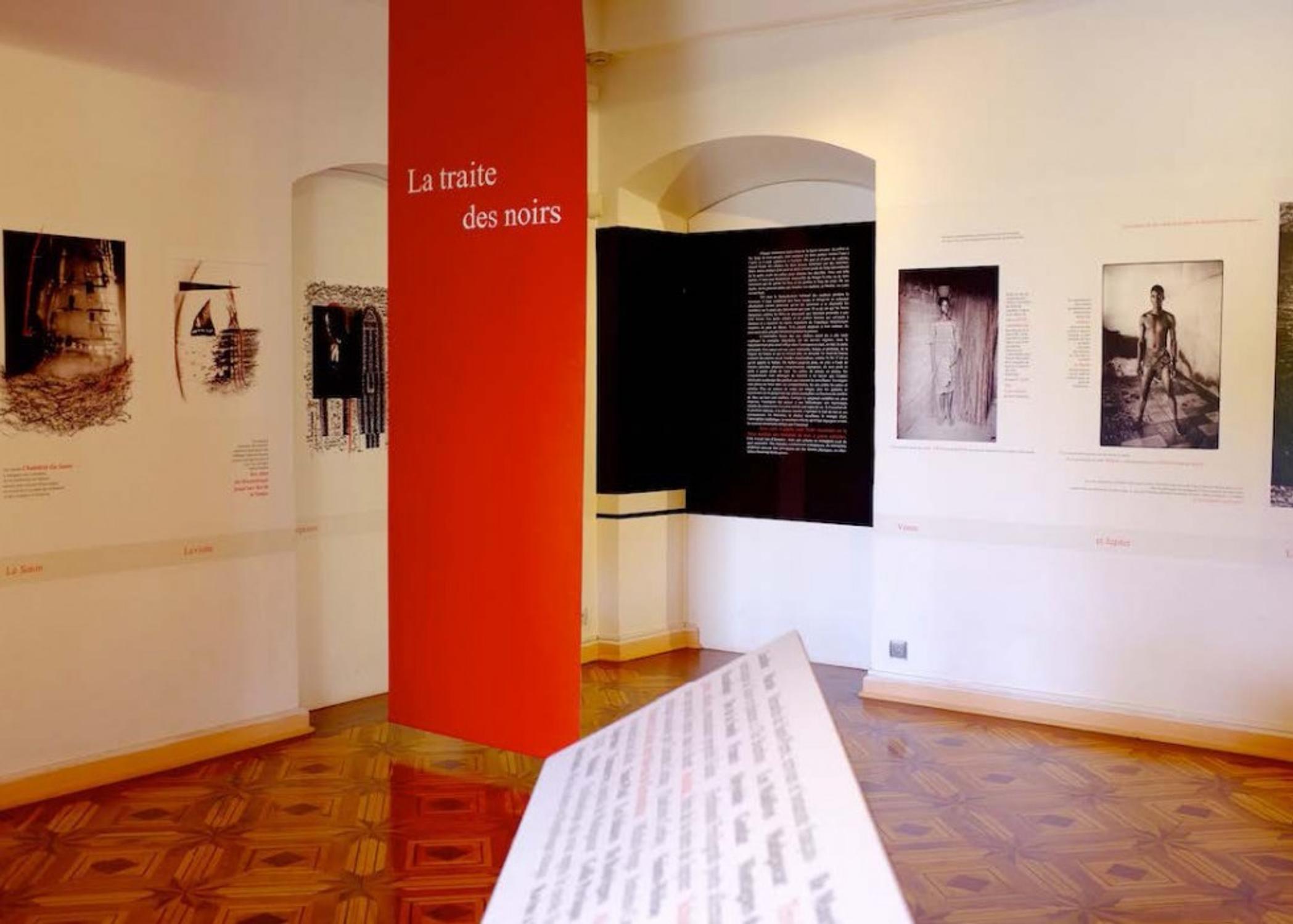
It was in this same spirit of ‘documentary fiction’ that was created the exhibition Entre les lignes de Noirs et Blancs, displayed at the Villèle historical museum in 2017, an echo of the first illustrated edition of the novel.