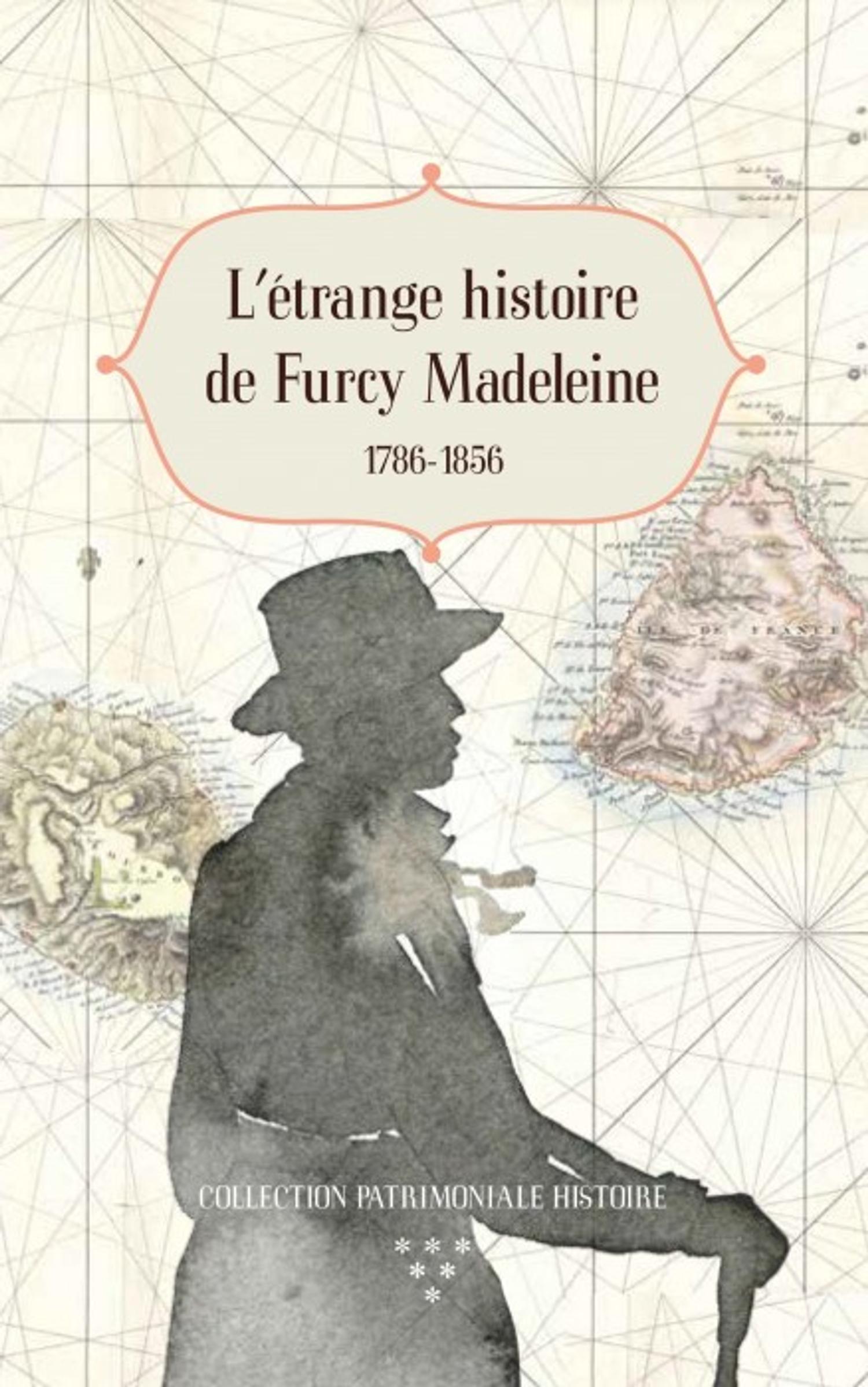
L'étrange histoire de Furcy Madelaine, 1786 - 1856 (The strange story of Furcy Madelaine 1786-1856)
Under the scientific direction of Jean Barbier and Jérémy Boutier, with the texts of the exhibition written by Gilles Gérard, topical notices by Gilles Gérard, Sue Peabody and Jérémy Boutier.
Designed like a catalogue, but in a smaller format, the book reproduces all the texts of the exhibition, which traces the important stages of the troubled life of Furcy. It is based on an analysis of a large number of documents from the archives, as well as scientific research carried out by Gilles Gérard, Doctor in anthropology and history, research by Sue Peabody, university lecturer in the state of Washington (United States) and Jérémy Boutier, legal historian.
Heritage - History collection / Villèle historical museum, 2020
Format: 17,6 cm x 11 cm
Coloured illustrations / texts in French
Price: 12 € - Click here to order
Gustave Oelsner-Monmerqué
Noirs et Blancs. Esquisses de Bourbon
(Blacks and whites. Sketches of Bourbon)
By: Marlene Tolede, Gabrielle Fois-Kastel and Julie Dumonteil (Critical edition and translated from German)
Karl Kugel (Creation and layout)
Co-edited by: Villèle historical Museum; Centre de Recherches Littéraires et Historiques de l’océan Indien (CRLHOI), University of Reunion, 2017 (Second edition)
The novel Noirs et blancs. Esquisse de Bourbon is set in a French colony lost in the middle of the Indian Ocean. Its author, bearing witness to the daily life of the Creole society, militates for the immediate and total abolition of slavery. The original text, written in German, was published in 1847. 150 years later and after a number of peripetias, the work is now available in French. Through its originality, it will meet the expectations of those, specialists or not, interested in a key period of colonial history and slavery in Reunion, formerly Bourbon island.
Heritage - History collection, Villèle museum 2017
Format : 17,6 cm x 11 cm
Coloured illustrations / Texts in French
Price: 10 €
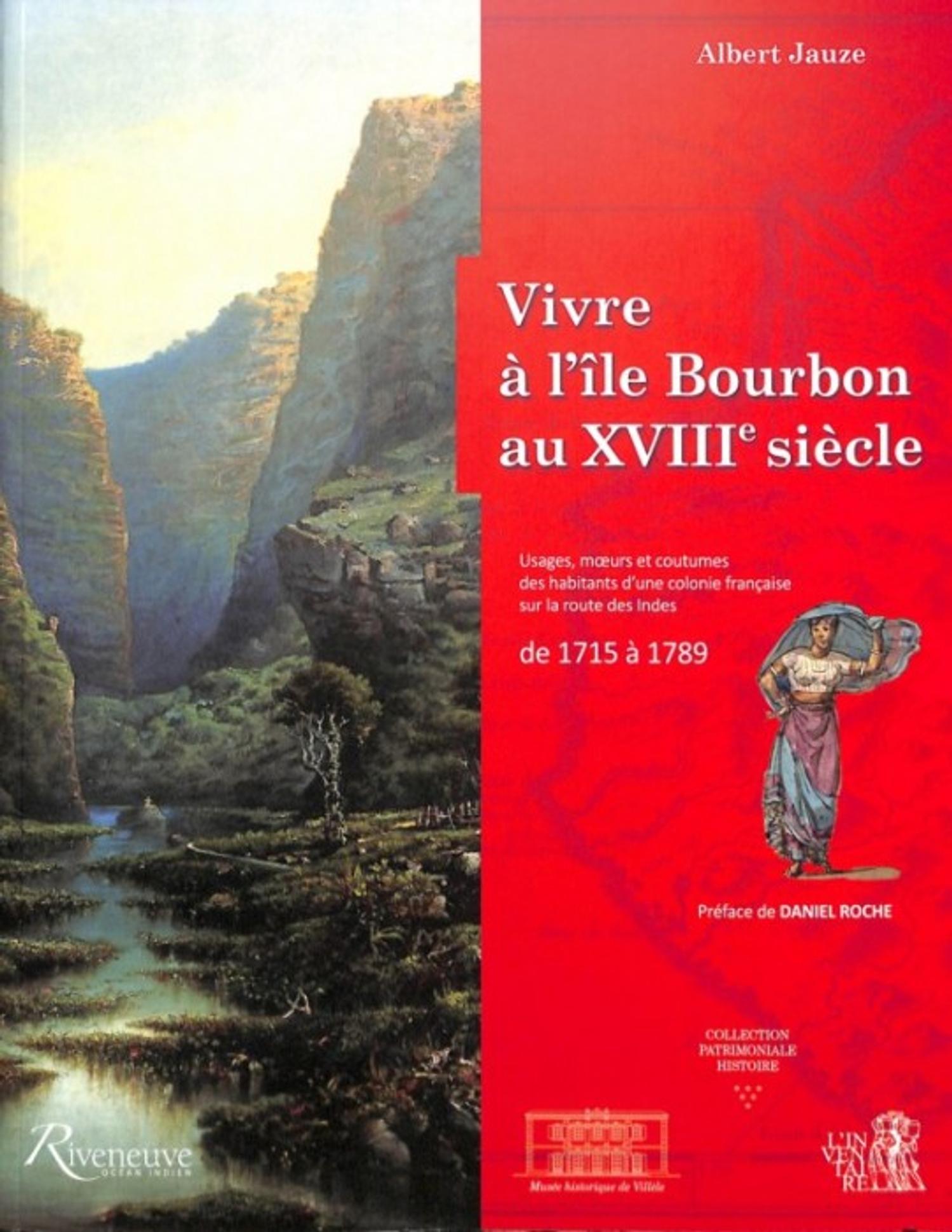
By Albert JAUZE
Meticulous research carried out on a range of archive documents has brought back to life the inhabitants of Bourbon island - Reunion in the 18th century, in all their diversity.
The reader can imagine their silhouettes, share their way of life, discover the fascinating universe of Indian textiles, step inside their houses, huts and shops, constructed in raw timber, peek inside their houses and see their decorations and furniture. He or she can note the virtual absence of forks in use, the frequent consumption of wine and the eating habits of the masters and slaves.
All this is part of the ‘estate’, the common denominator of a rural and colonial way of life. The inventories point the way to the intimacy of family life, the scarcity of latrines and the large number of cooking pots. They follow the development of food crops (wheat, maize etc.) and cash crops (coffee) for export (sugarcane and vanilla, notably, were not developed until the 19th century).
They describe methods of rearing farm animals, focus on poaching or lax approaches to guarding flocks of animals, much to the the displeasure of the authorities.
Rich in exceptional iconography, the work offers a panorama of the daily life of the colony, situated along the route to India. It contributes to a heritage collection associating rigorous scientific research and works made available to the public at large.
Published by Éditions Riveneuve, 2017
Heritage / History collection – Villèle museum
376 pages, Illustrations in colour / Texts in French
Price: 30 €
Vivre à l’île Bourbon au XVIIIe siècle. Usages, mœurs et coutumes des habitants d’une colonie française sur la route des Indes de 1715 à 1789 (Living on Bourbon island in the 18th century. Habits, traditions and customs of the inhabitants of a French colony on the route to India 1715-1789)
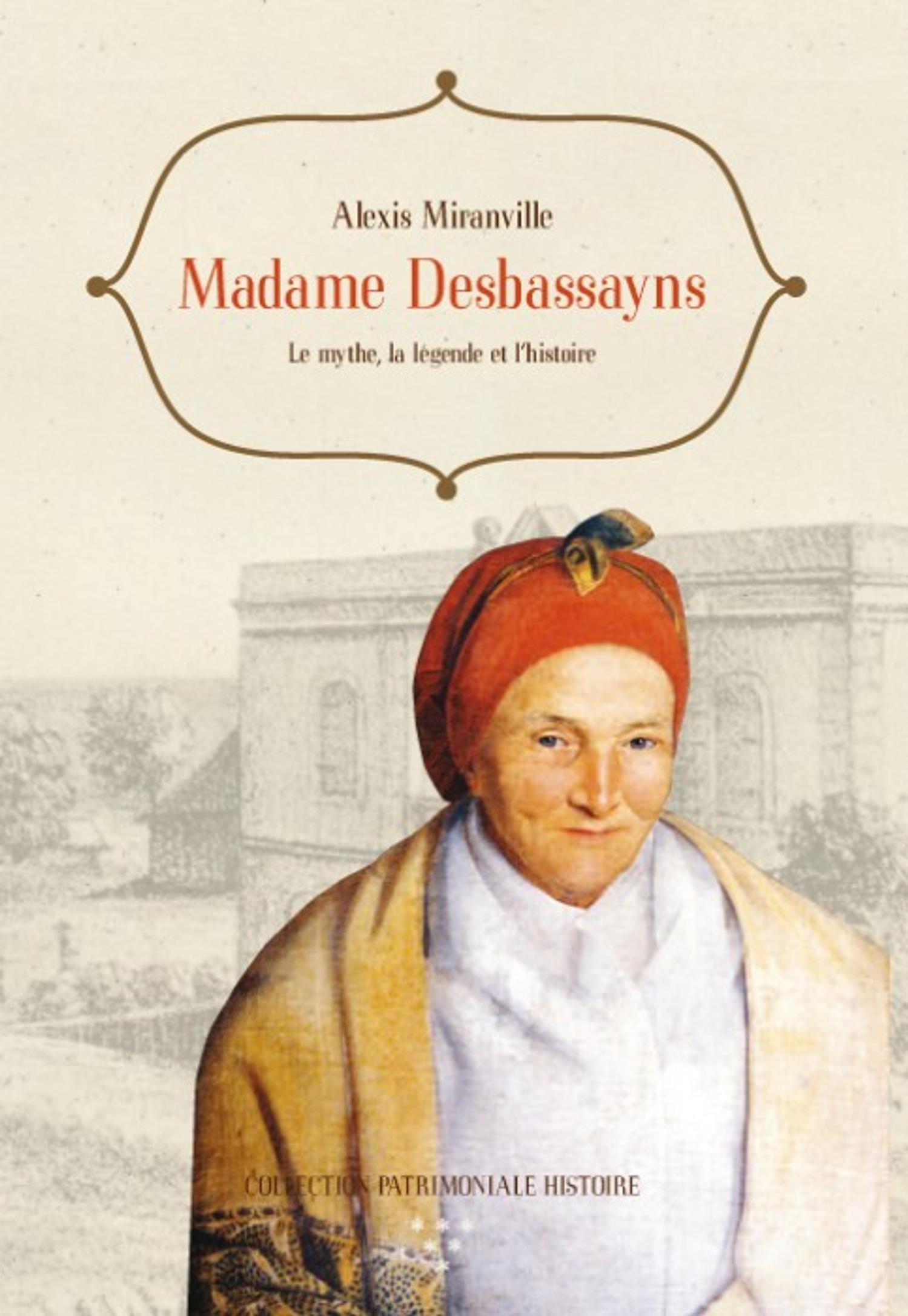
Madame Desbassayns
Le mythe, la légende et l’histoire (Madame Desbassayns The myth, the legend and history)
By Alexis Miranville
Very often, people’s knowledge of Madame Desbassayns is limited to the elements of her dark legend, without which she would undoubtedly never have figured in the history of Reunion.
Most people in Reunion today, as well as many tourists and school groups visiting the Villèle museum, see Madame Desbassayns as an authoritarian, evil woman, who treated her slaves with cruelty. This image of a person of diabolic character who, during the 19th century was nevertheless said to possess all possible qualities and given the nickname of Seconde Providence, continues to be transmitted by writers, storytellers and artists.
Certain authors recognise, however, that the atrocities she is said to have committed may have been exaggerated, but are based on legends that may have a historical basis and also oral accounts considered to be the expression of popular legend in Reunion.
The book, fruit of research carried out by Alexis Miranville on the basis of abundant documents, including several handwritten papers and confidential letters from the private archives, is an attempt to retrieve the facts which were the root of or which inspired the popular legend. They reveal little-known and sometimes unexpected aspects of the personality of Madame Desbassayns, countering a large number of the prejudices which have nourished the myth and the legend.
Heritage / History collection – Villèle museum, 2013
Format : 25 cm x 17 cm
185 pages
1 brochure of colour illustrations
Texts in French
Price 19€
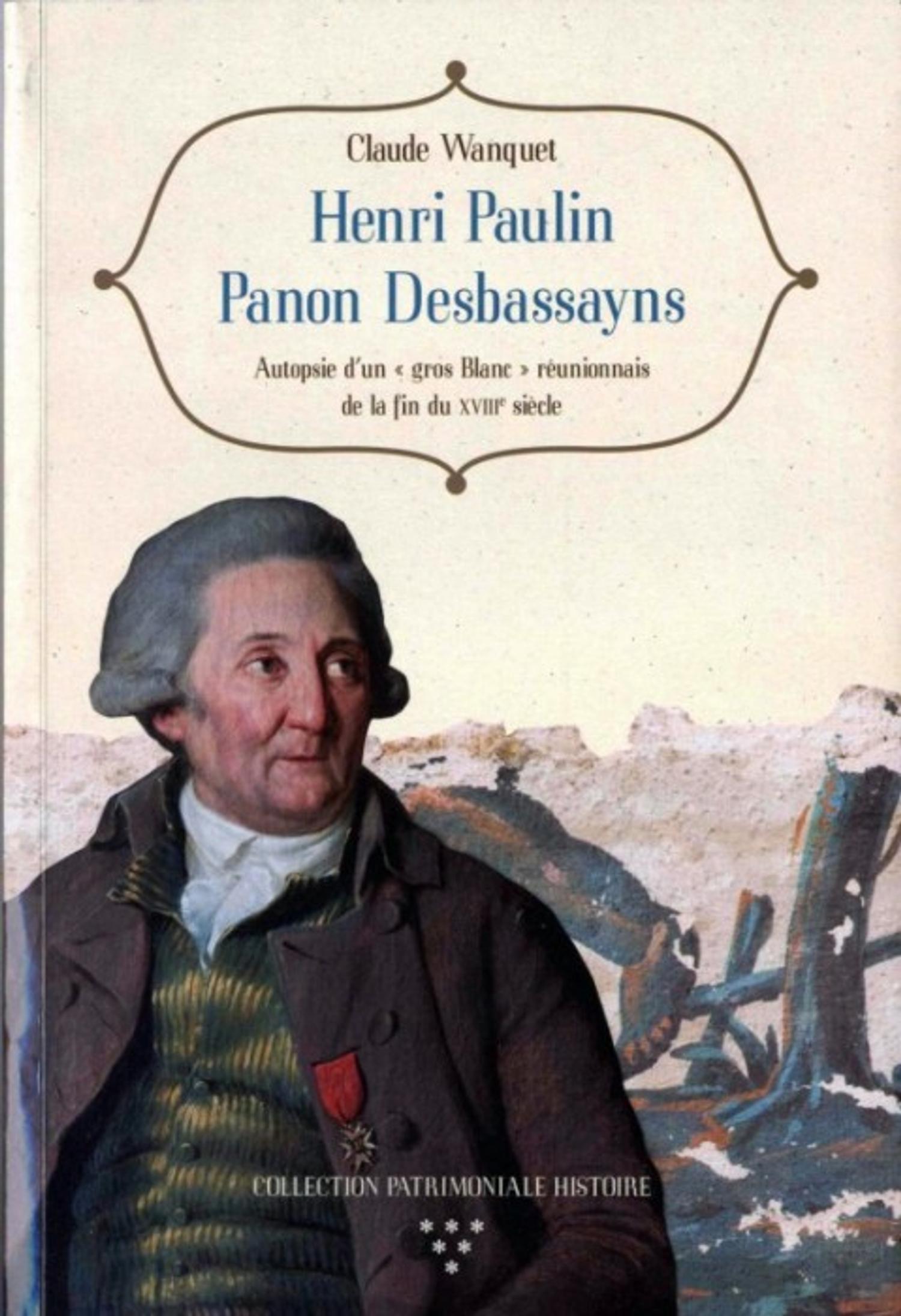
By Claude Wanquet
Military veteran of the Indian wars, large estate-owner and slave-owner, as well as occasional informed art dealer, at the end of the 18th-century, Henri Paulin Panon Desbassayns was without any doubt one of the richest men on Bourbon island, where he was born. Attentive to the academic and social success of his children, he travelled to France in 1785 and then in 1790.
These two journeys were for him truly initiatory experiences, during which he recorded intimate details of his stay, including a host of incidents throwing light on his tastes, ambitions, discoveries, passions and, at times, his disappointments and even sometimes his fears. This book was produced following a meticulous analysis of all this information, as well as that revealed through his voluminous correspondence. A detailed study which attempts to leave nothing to chance, revealing a rich and complex character, while constantly placing him in the fascinating context in which he involved, that of the final years of the Ancien Régime and the early years of the French Revolution.
Heritage / History collection - Villèle museum, 2011
Format : 25 cm x 17 cm - 335 pages
2 leaflets of colour illustrations
Texts in French
Price: 19 €
Henri Paulin Panon Desbassayns
Autopsie d’un « gros blanc » réunionnais à la fin du VXIIIe siècle (Paulin Panon Desbassayns Autopsy of a rich white in Reunion at the end of the 18th Century)
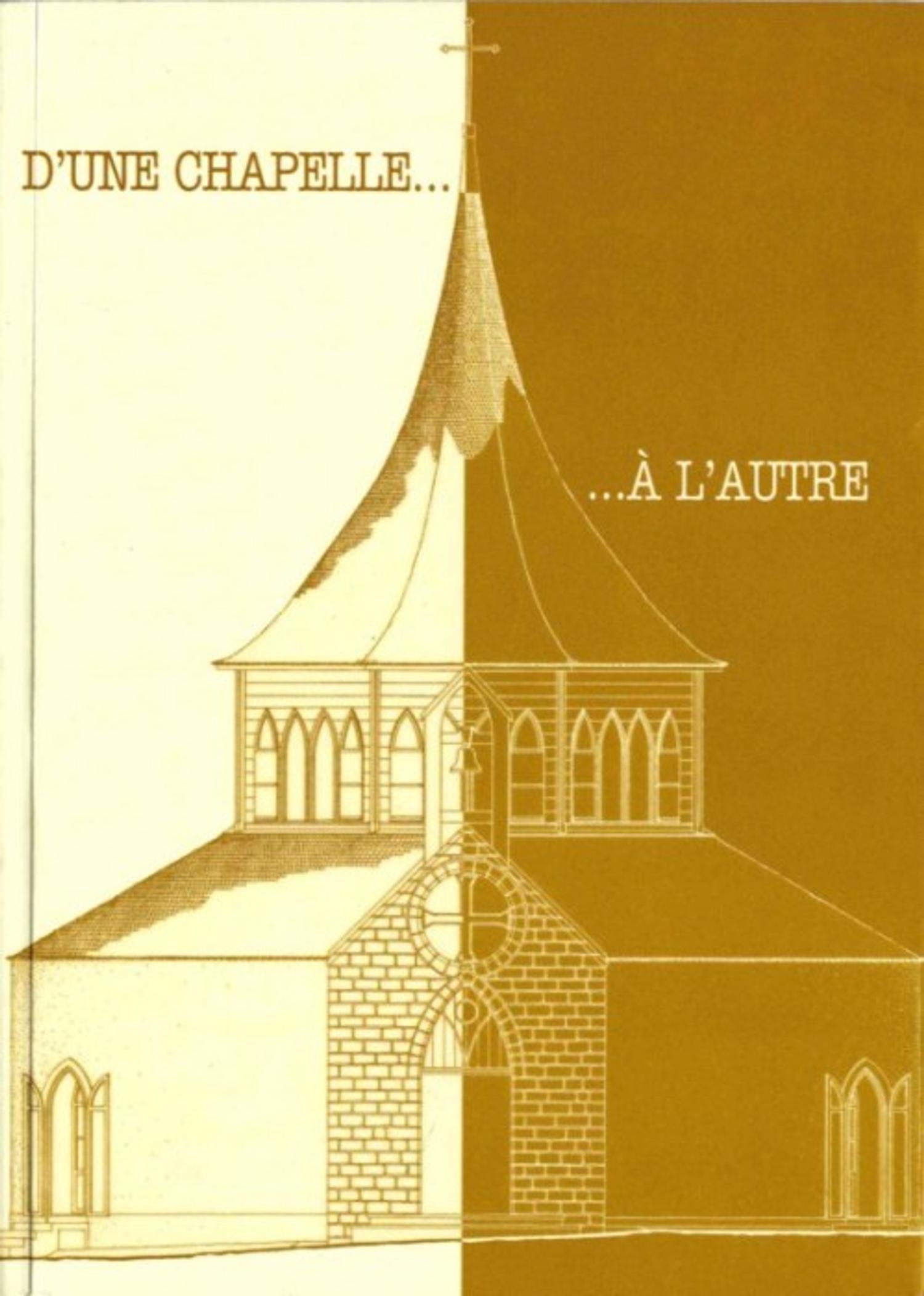
D'une chapelle...à l'autre (From one chapel … to another)
By Mgr. Gilbert Aubry, Gabriel Jonquières d'Oriola, Bernard Leveneur, Jean Barbier... et al.
Links and divergences between the chapel of la Chapelle pointue, constructed by Madame Desbassayns and la Chapelle la Misère, a Hindu temple constructed close to the Villèle museum.
Villèle museum, 2003
1 vol. (207 p.) : black-and-white illustrations, text in French
15 x 21 cm
Price: 5 €